
The rocky shore is a difficult place to live–consisting of rugged terrain, constant wave action and the opportunity to live daily covered and uncovered by tides.
Sandy Beaches are dynamic ecosystems that are constantly shifting and moving, experiencing tidal fluctuations and extreme temperature changes

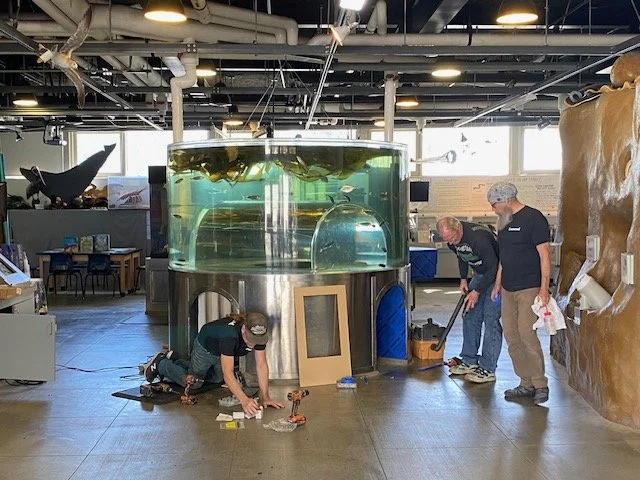
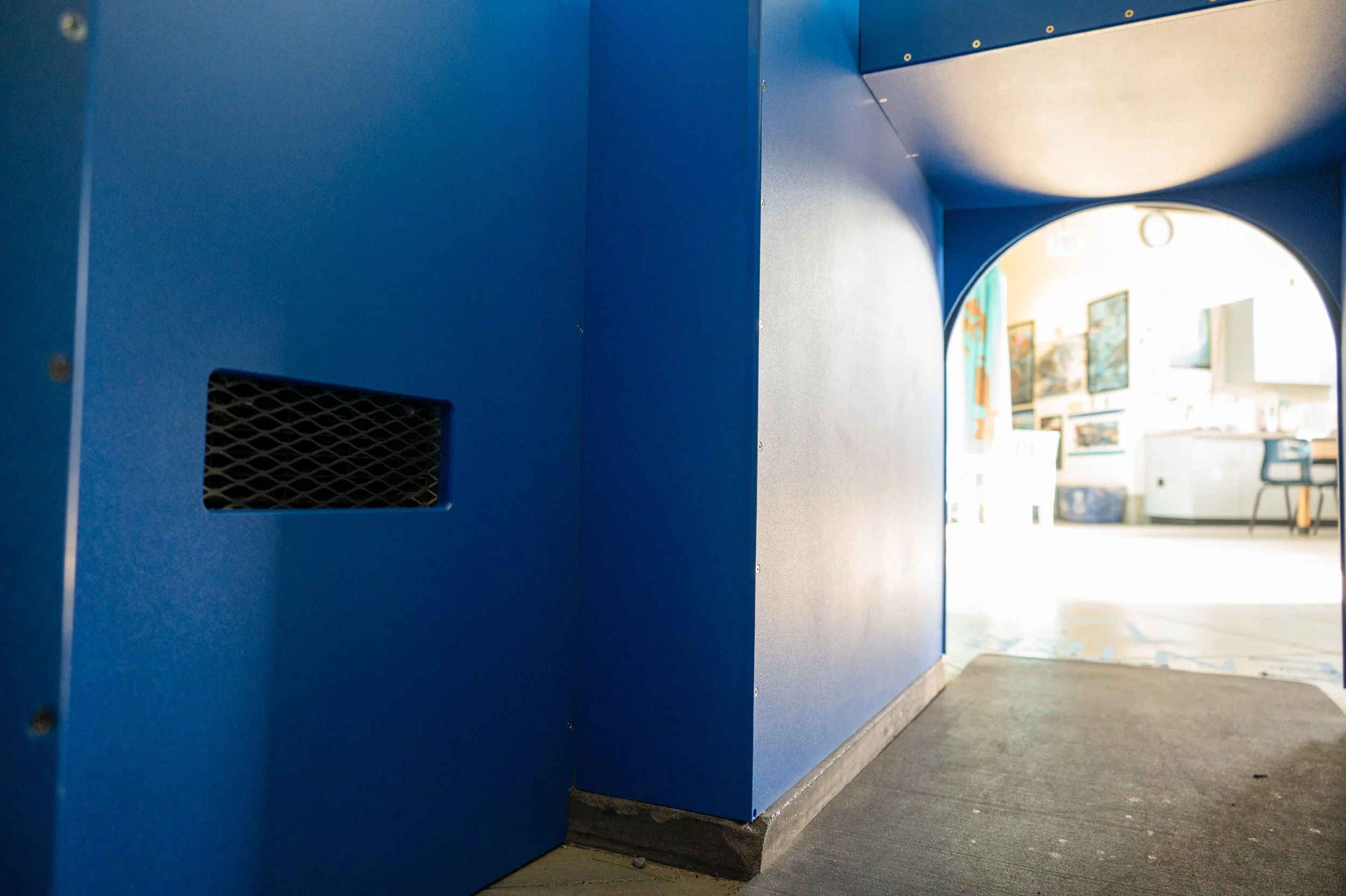
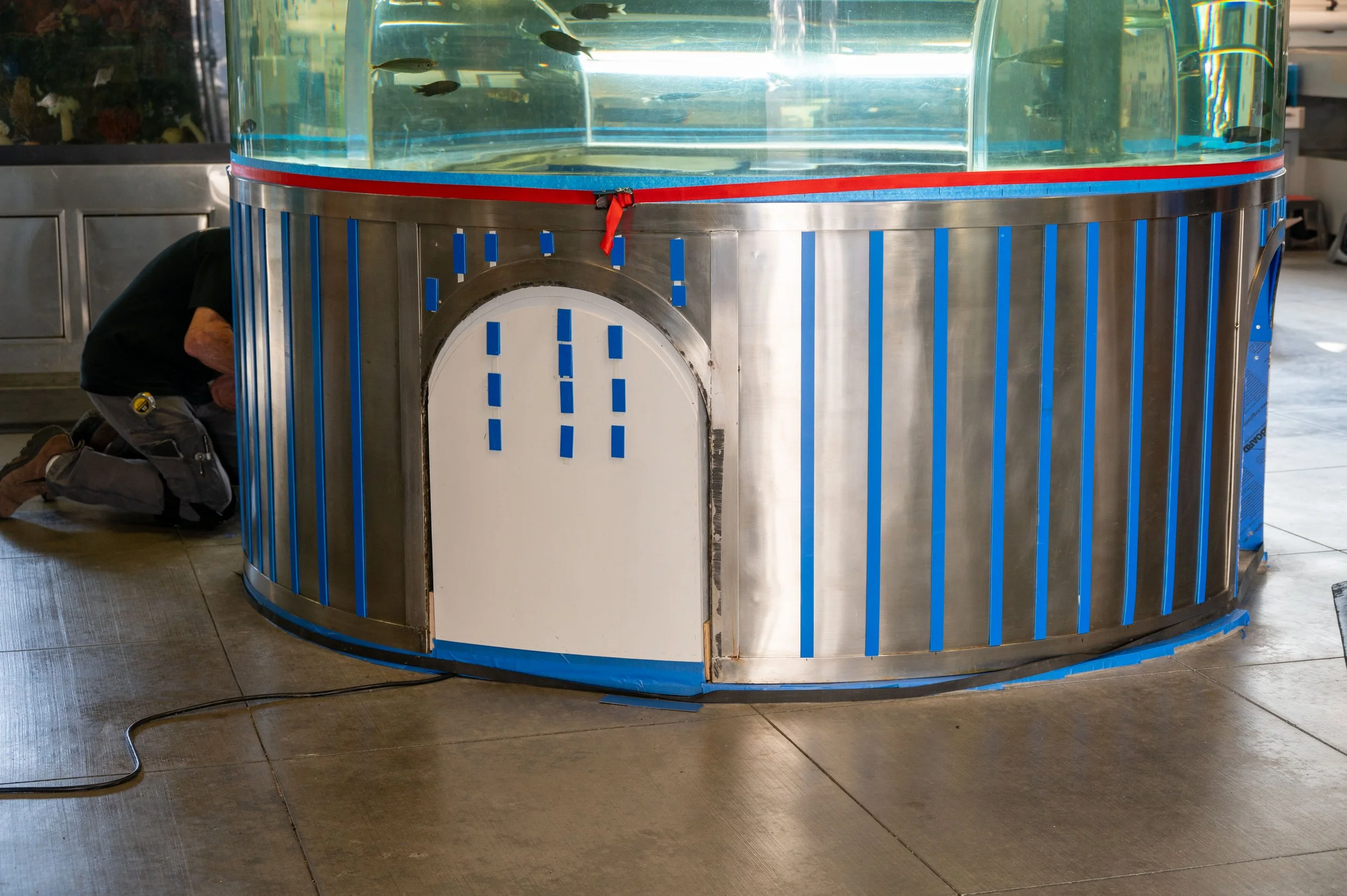
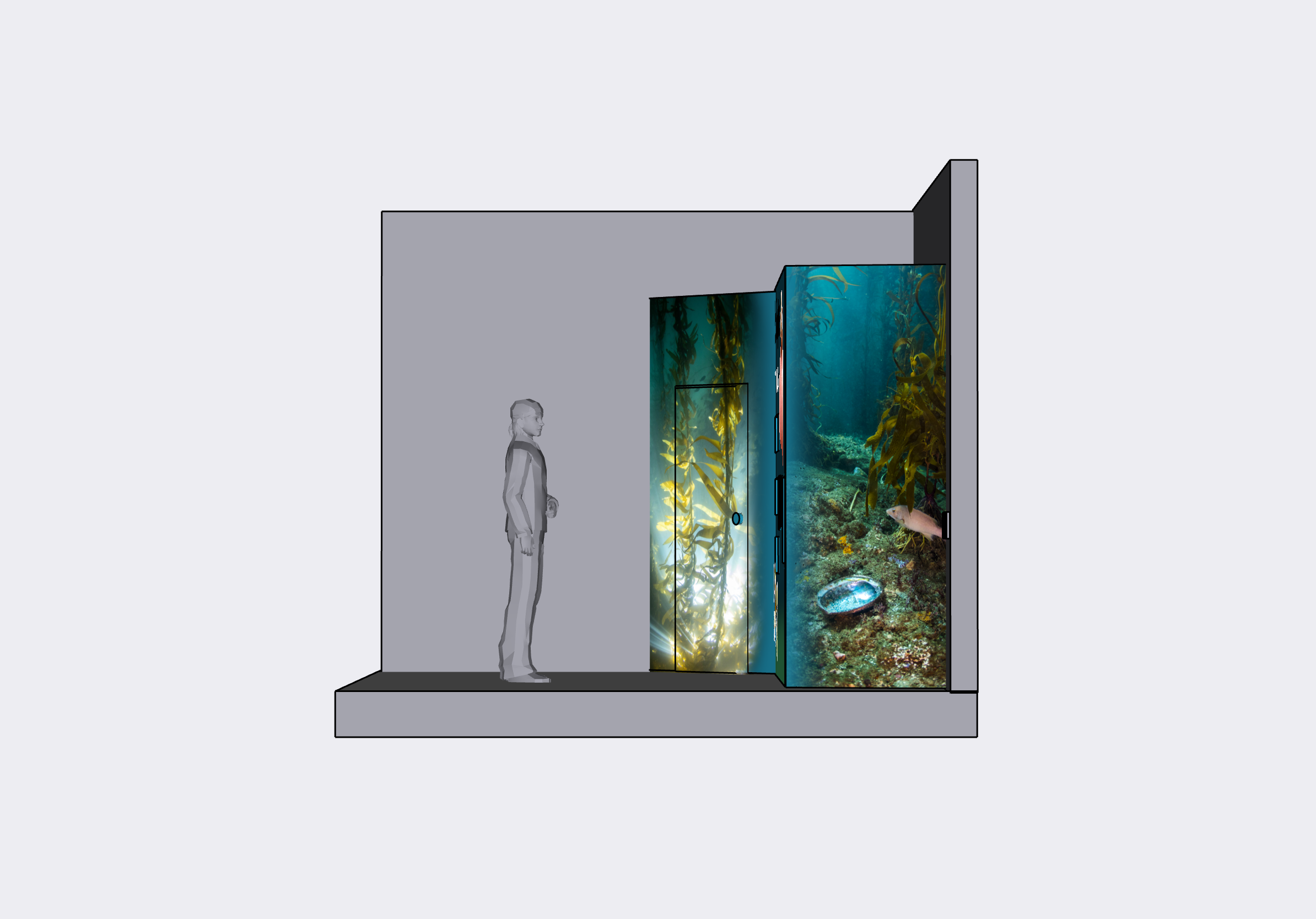
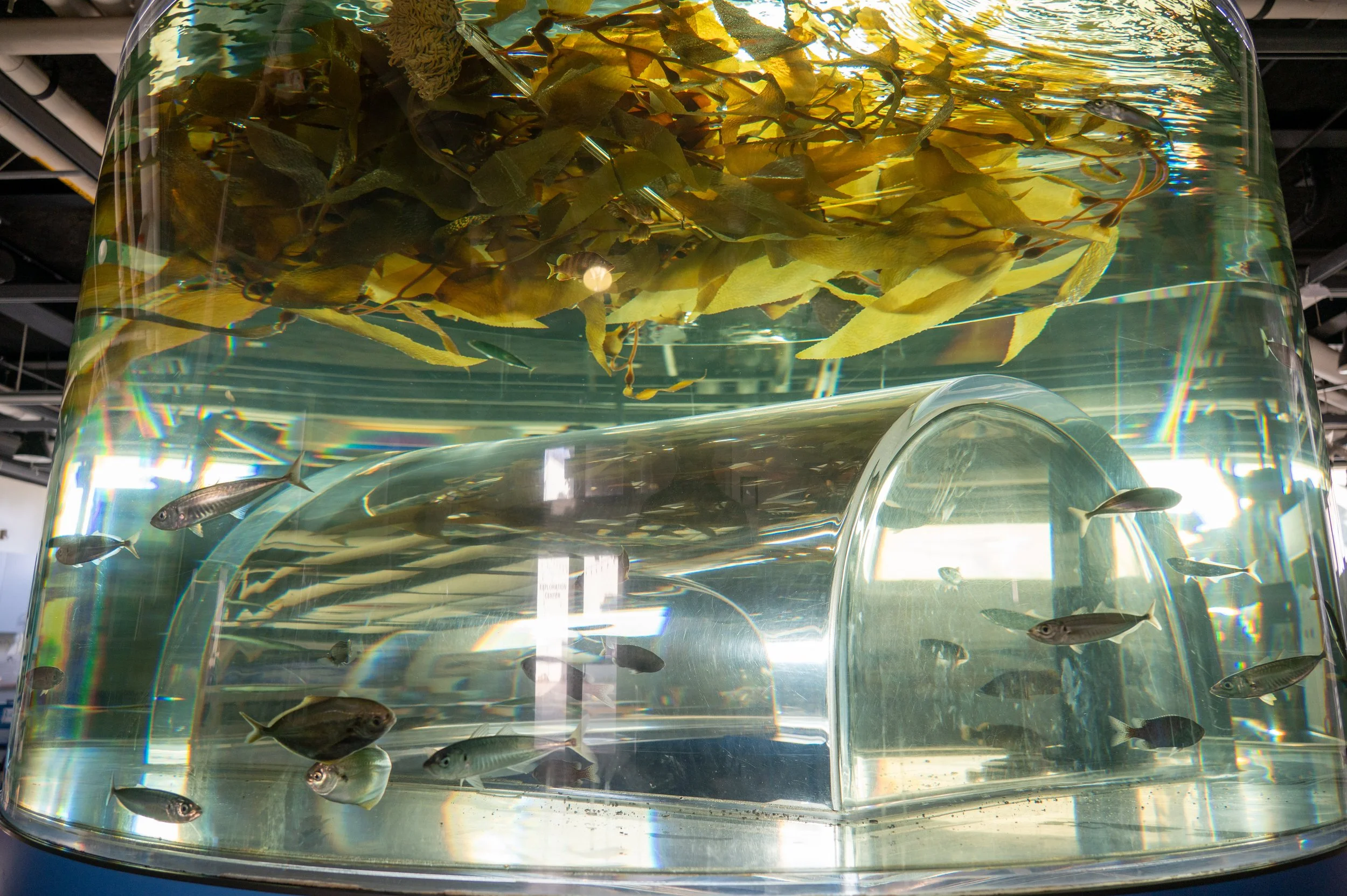
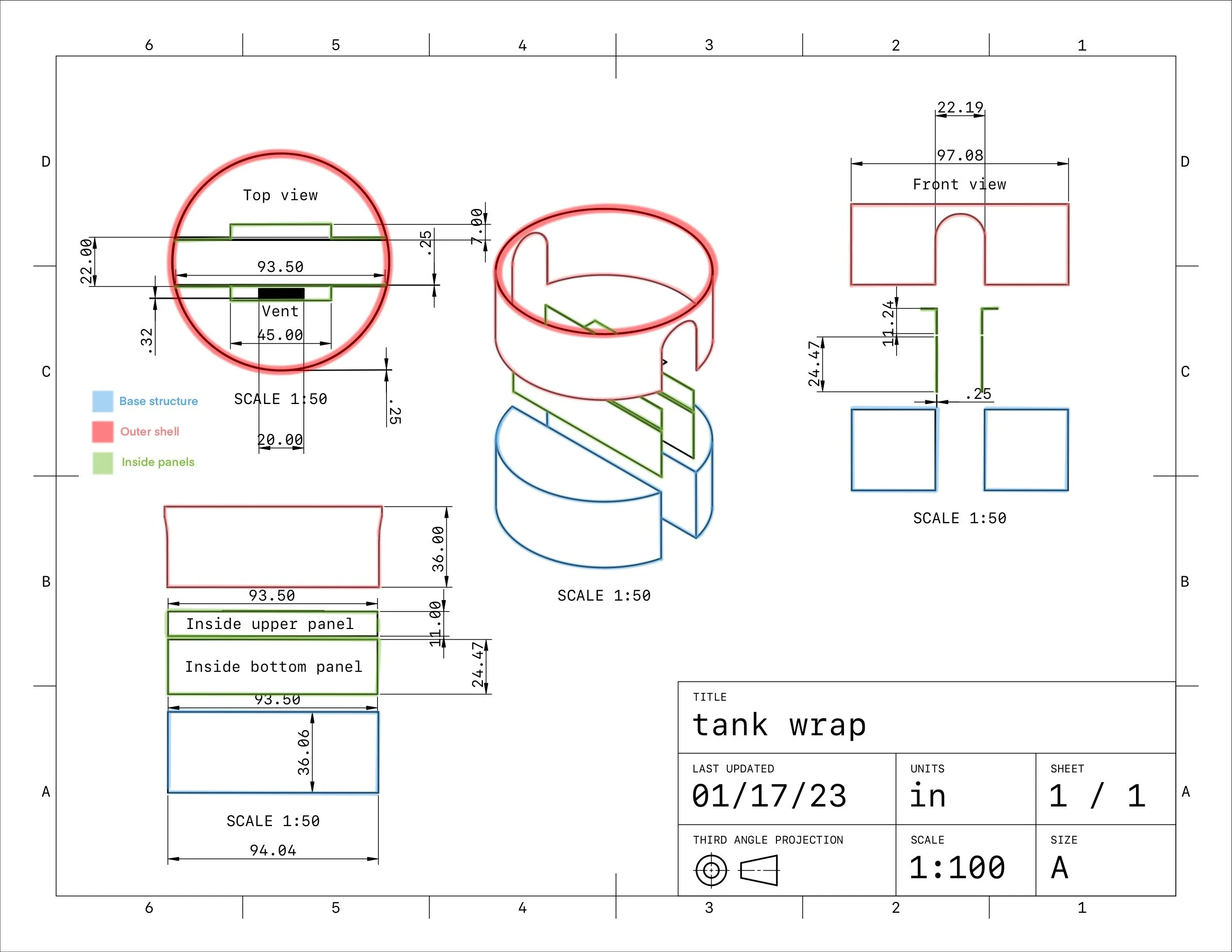
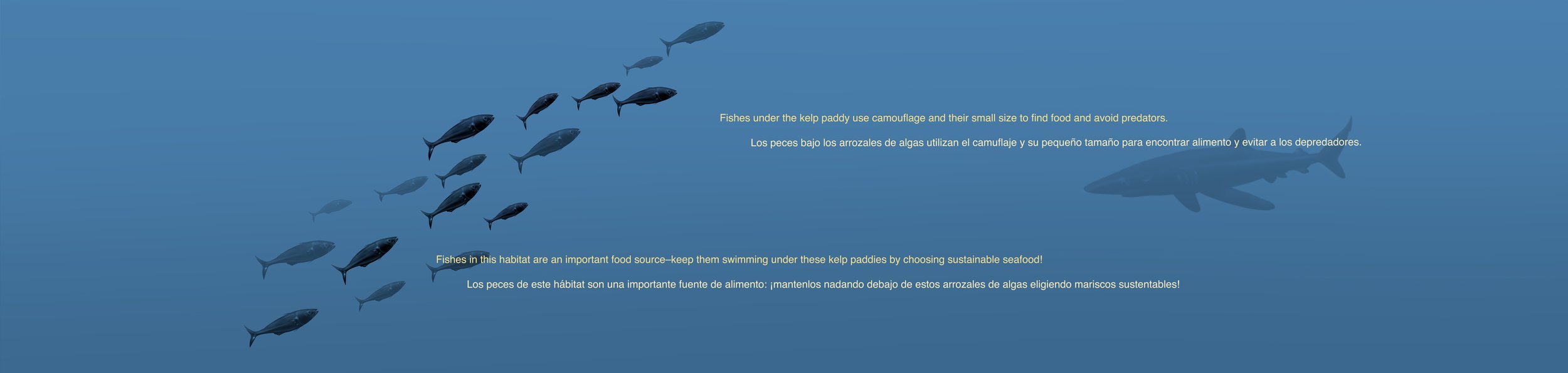
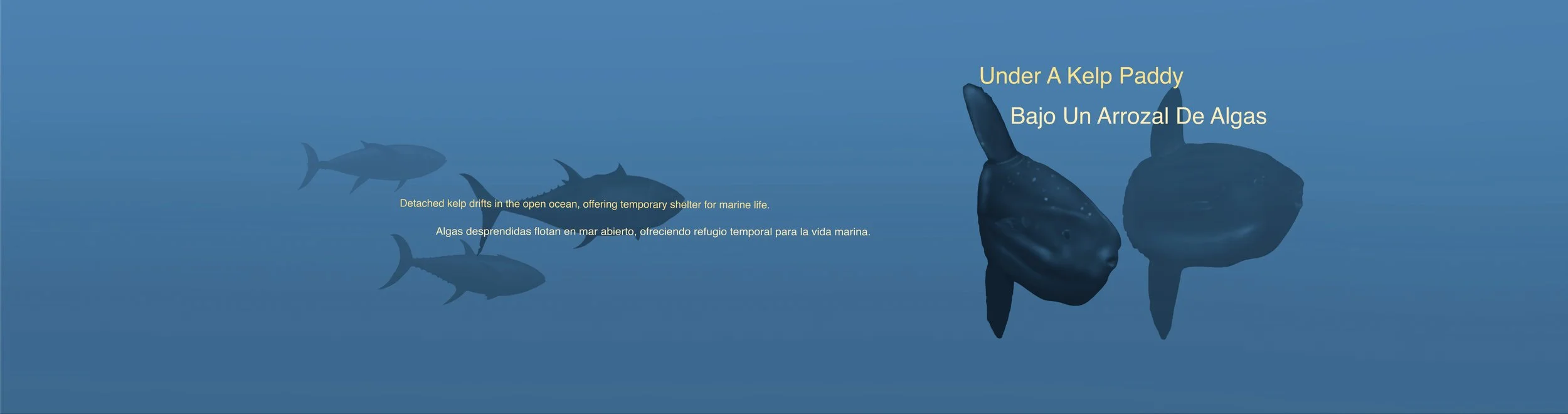
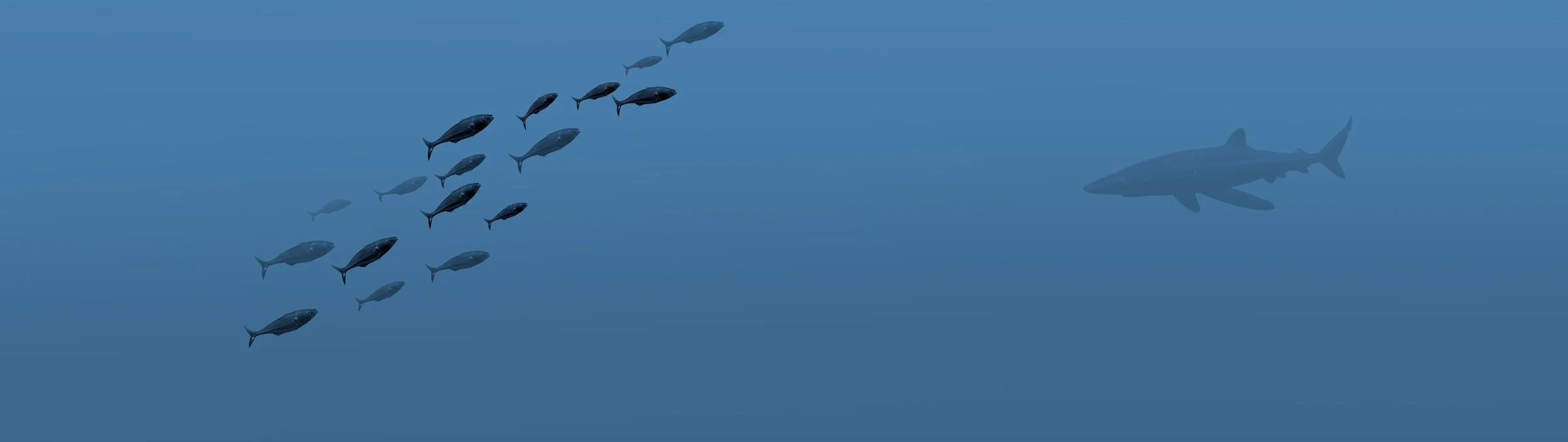
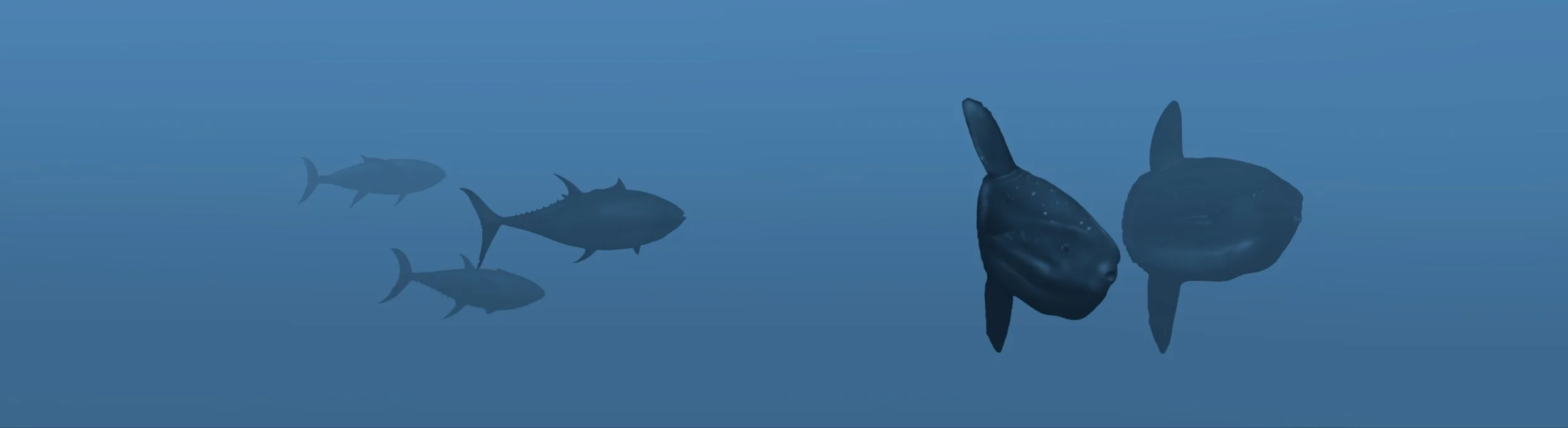
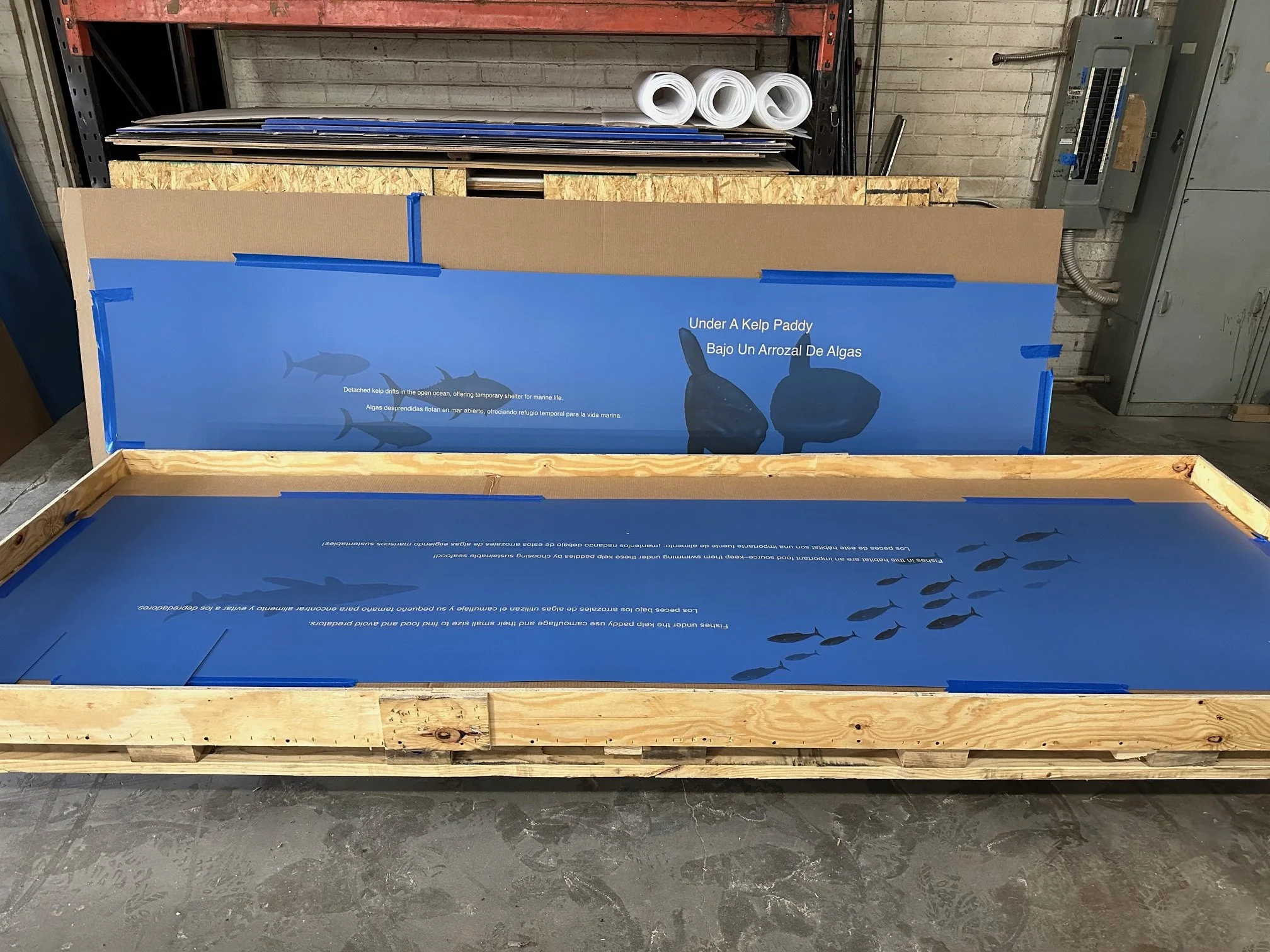
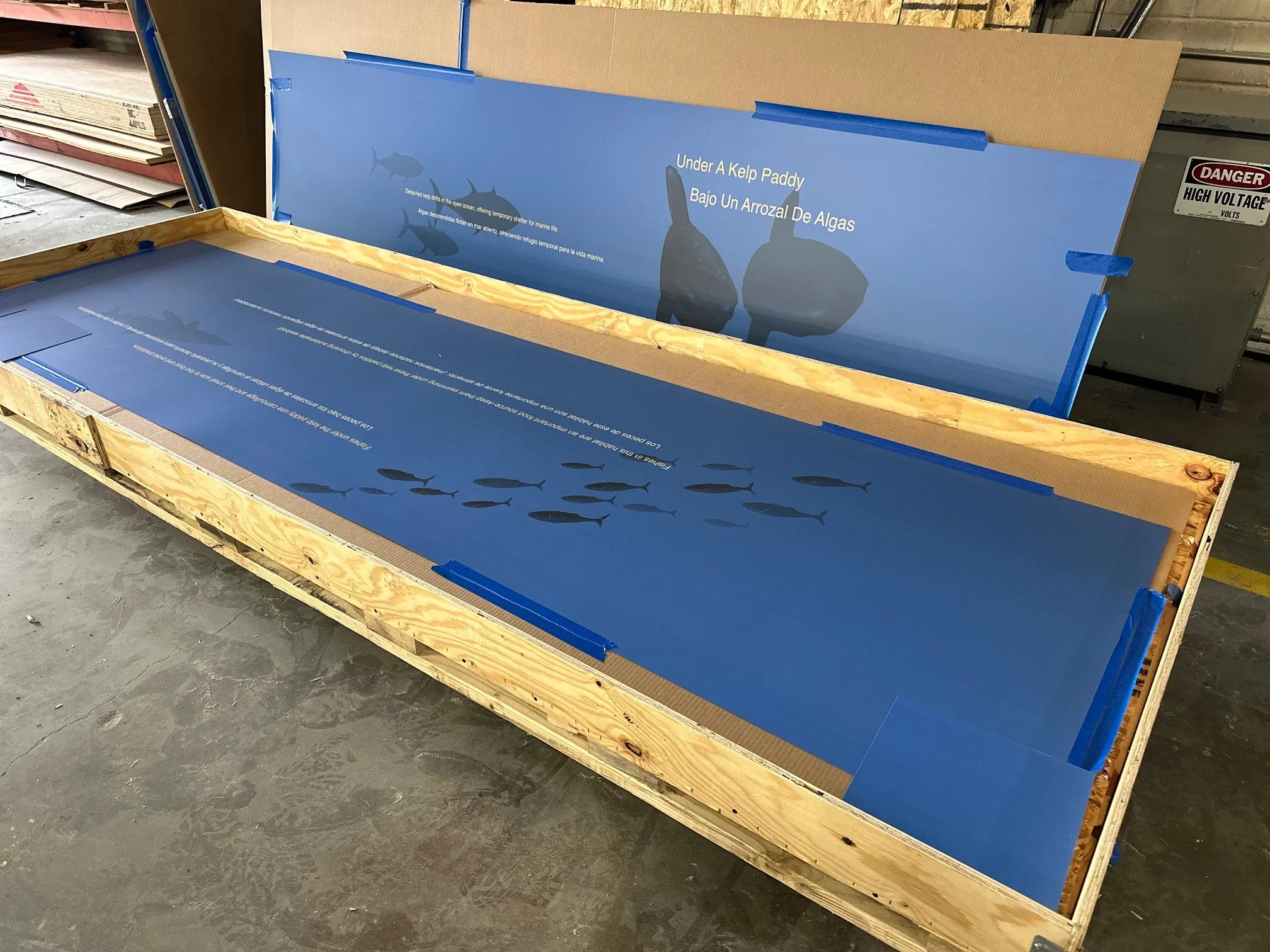
Kelp paddy habitats form when storms tear kelp holdfasts from rocky reefs, allowing them to drift at the ocean’s surface. Carried by currents, these floating kelp masses create temporary shelters that provide food and protection for juvenile fish seeking refuge from larger open-ocean predators. Though the open ocean may appear vast and empty, kelp paddies reveal a world rich with life. Visitors are invited to crawl beneath this exhibit and experience what it’s like to live under a drifting kelp paddy.

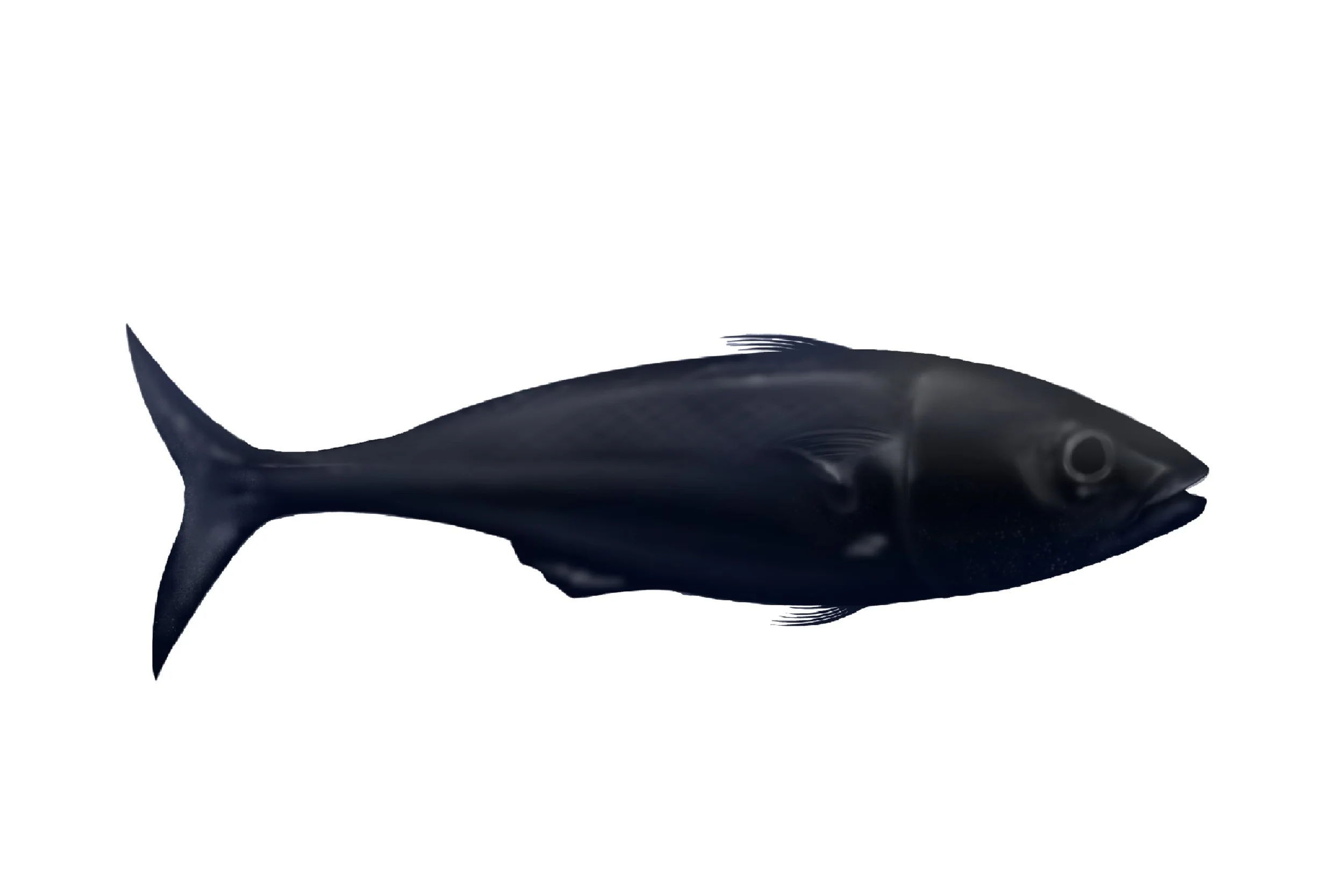
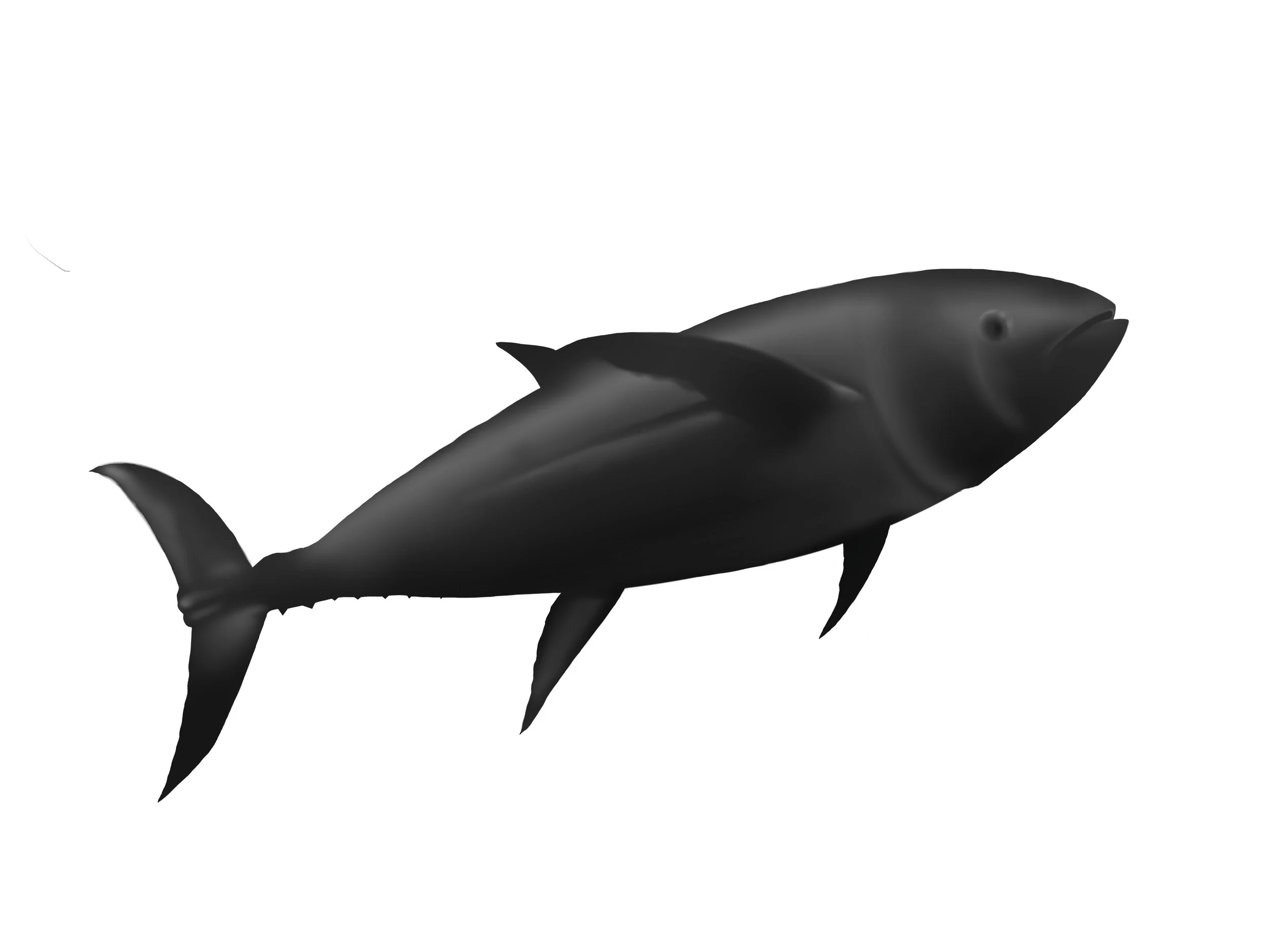
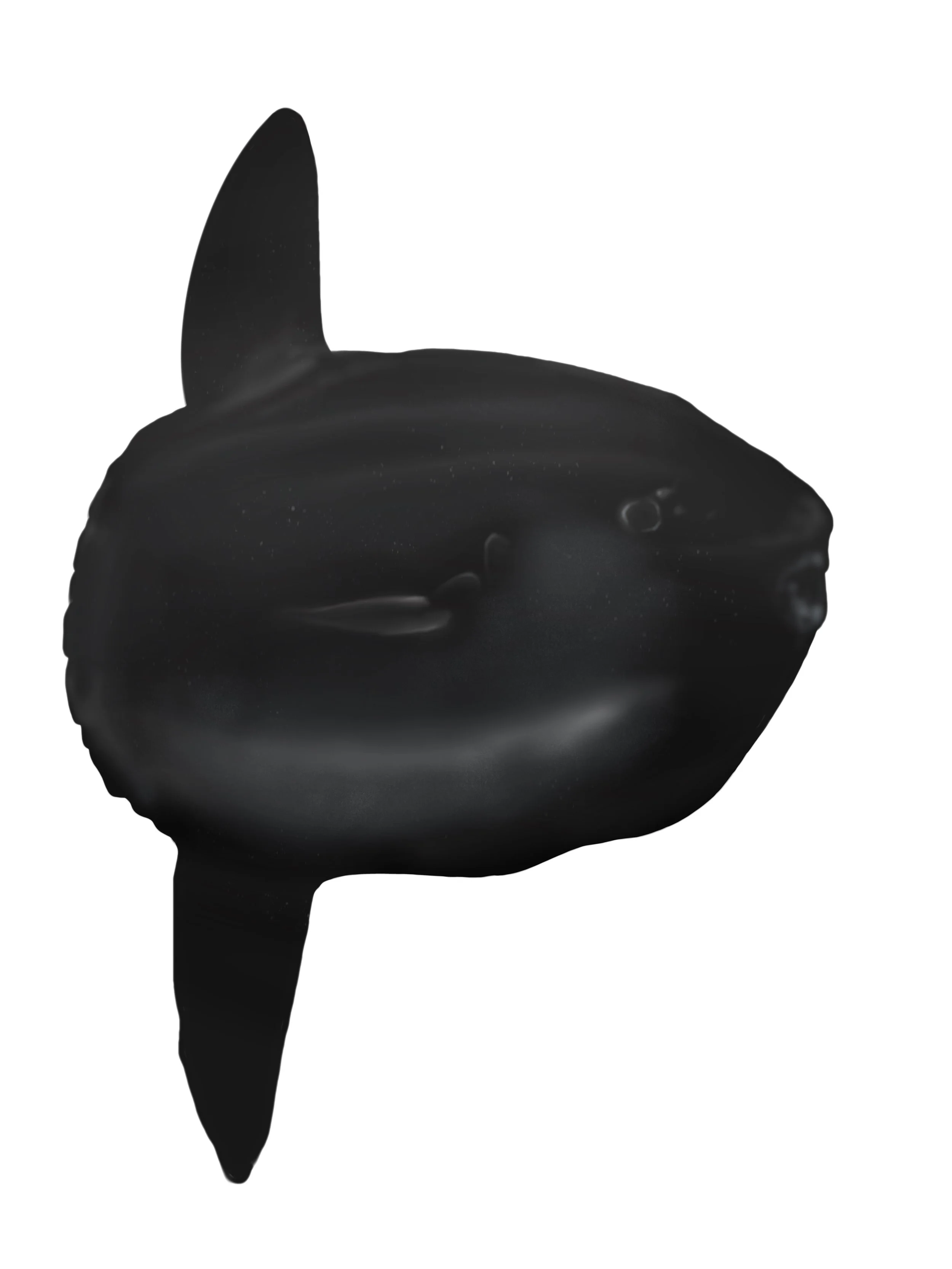



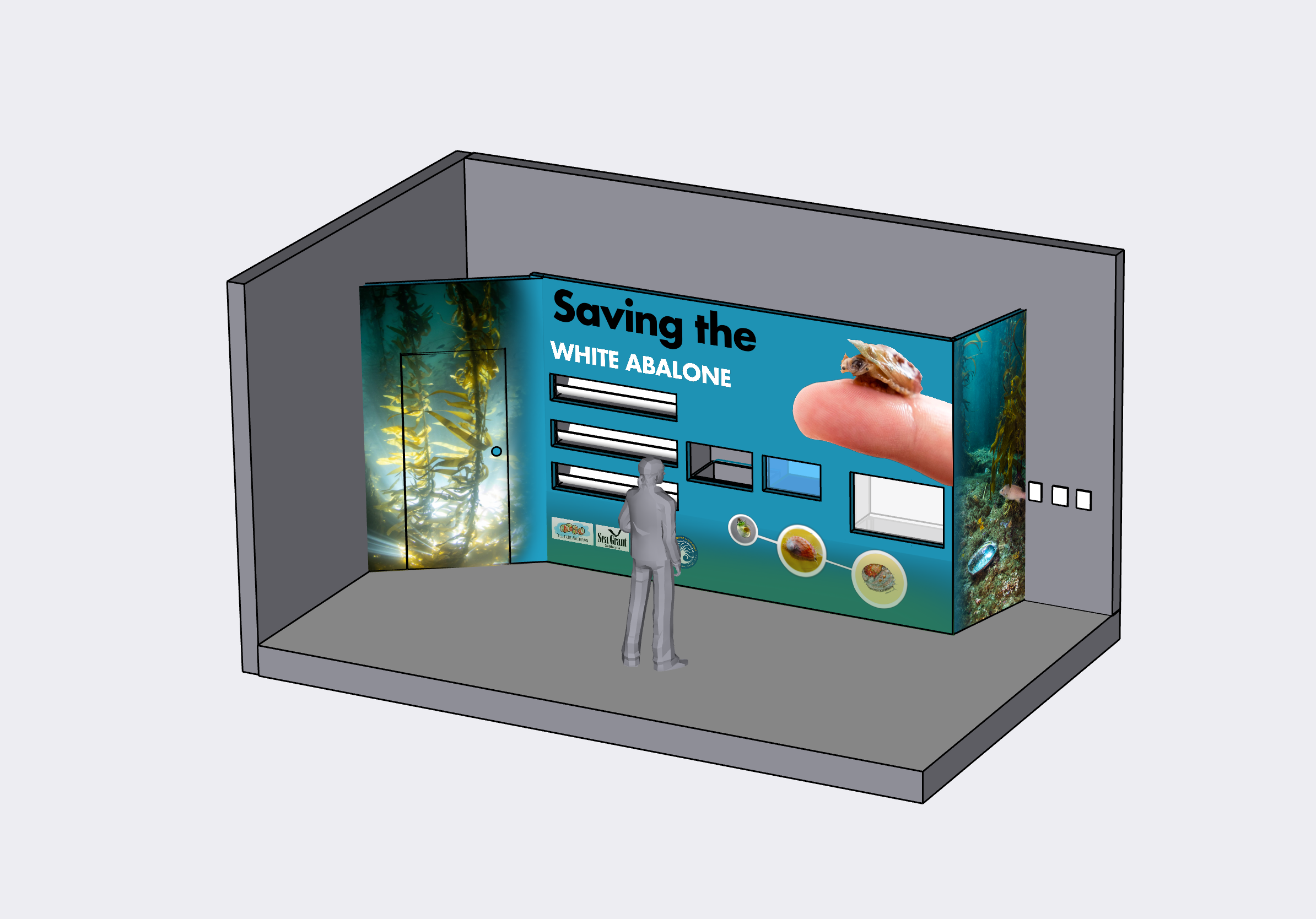
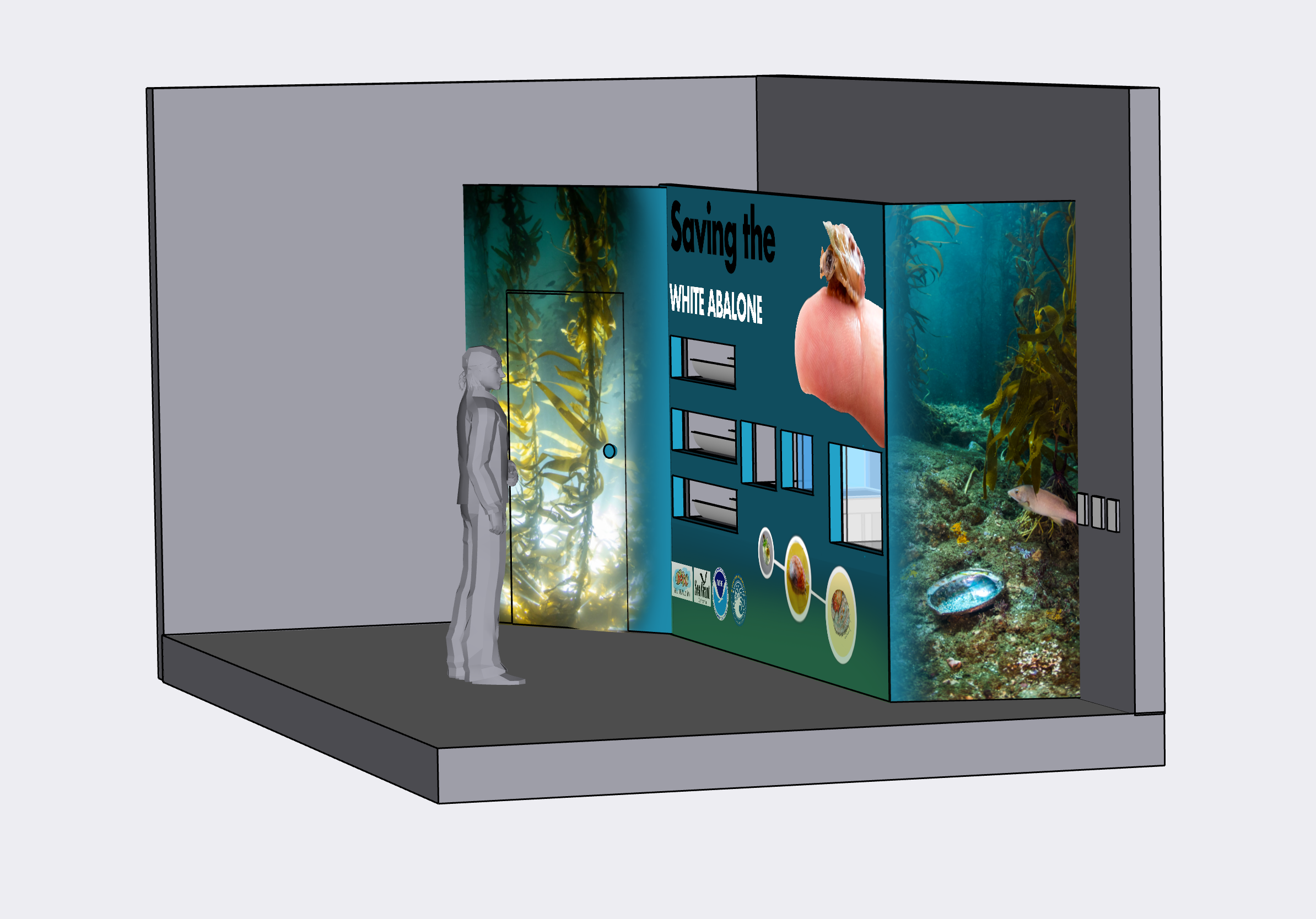
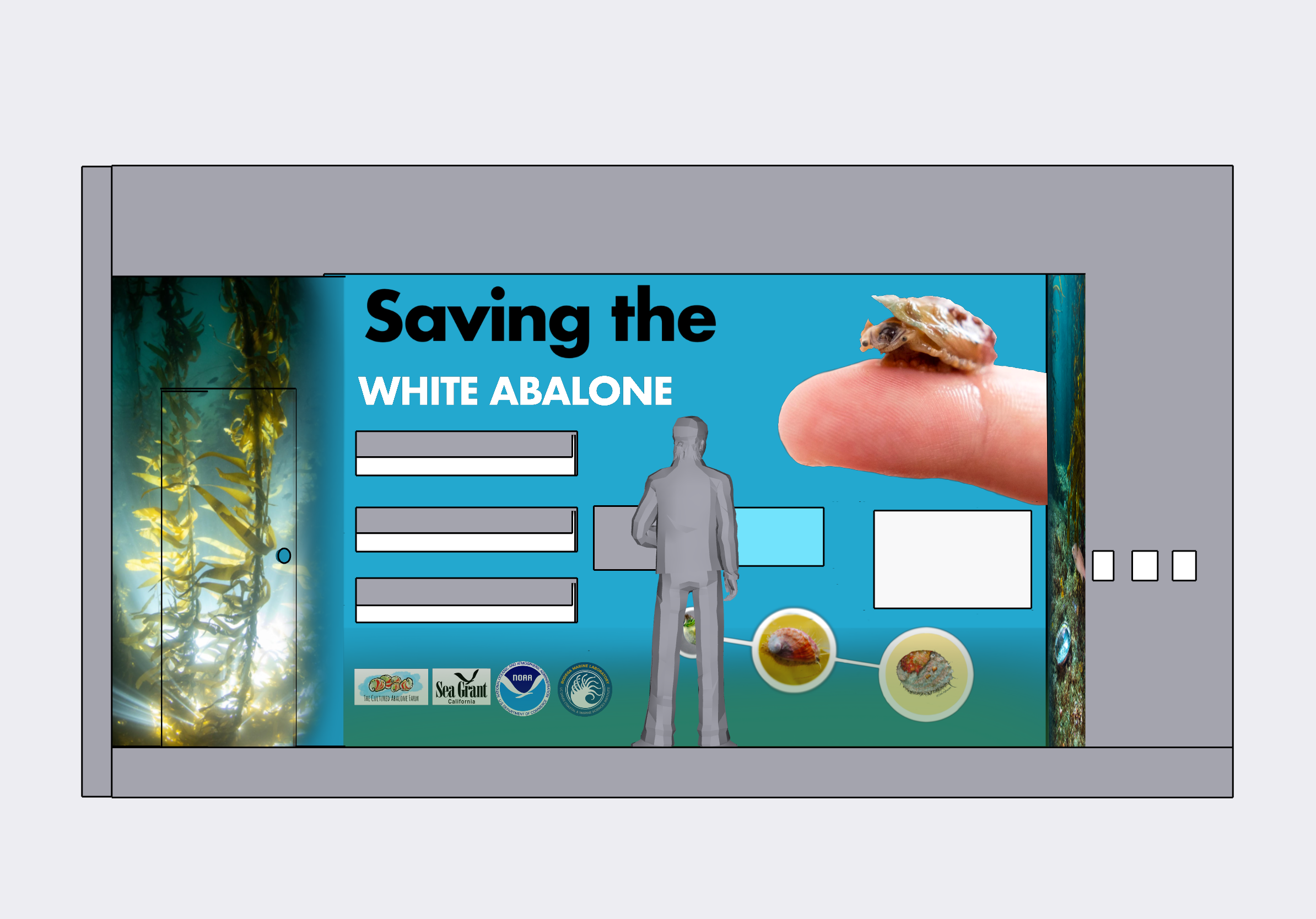
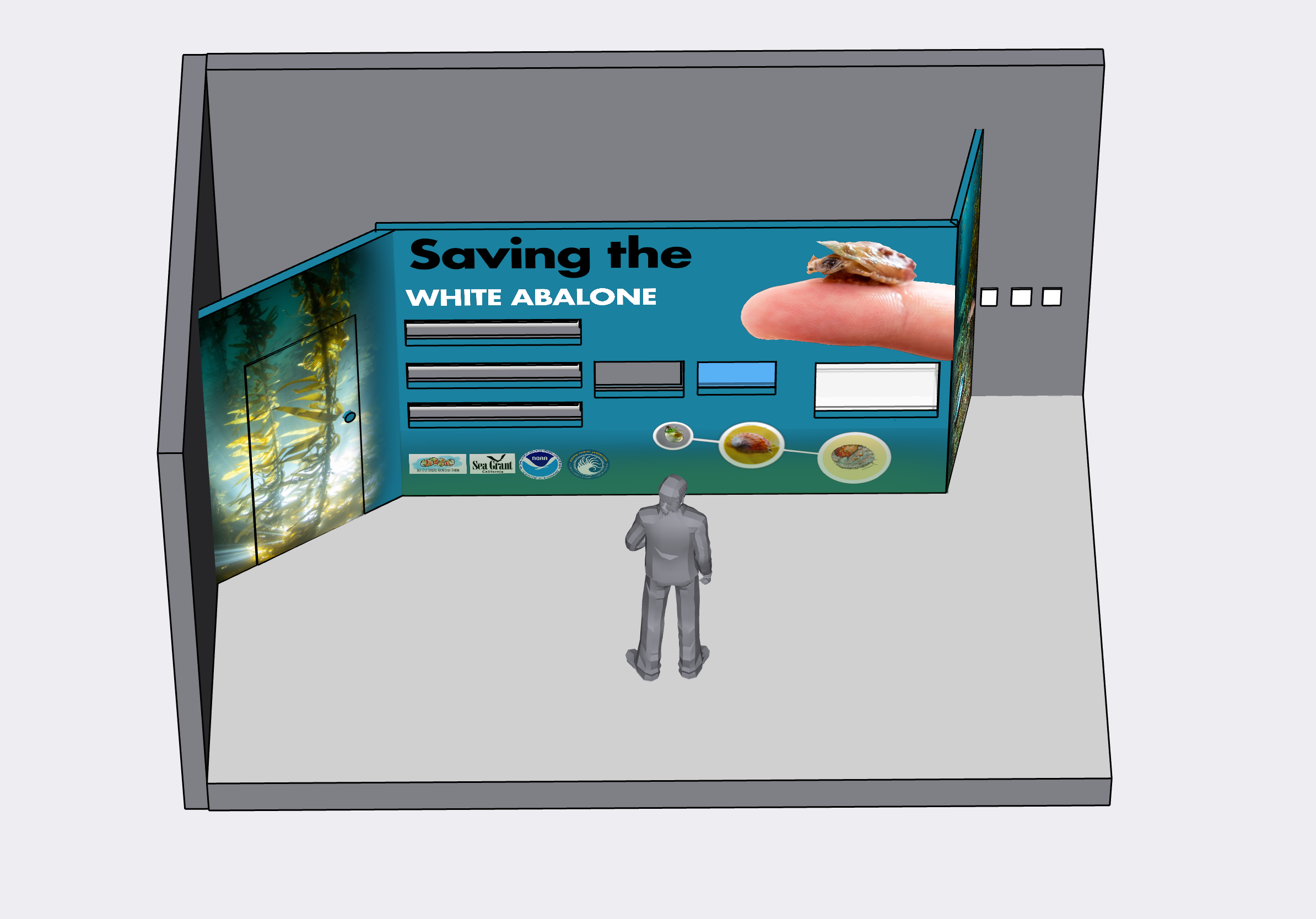
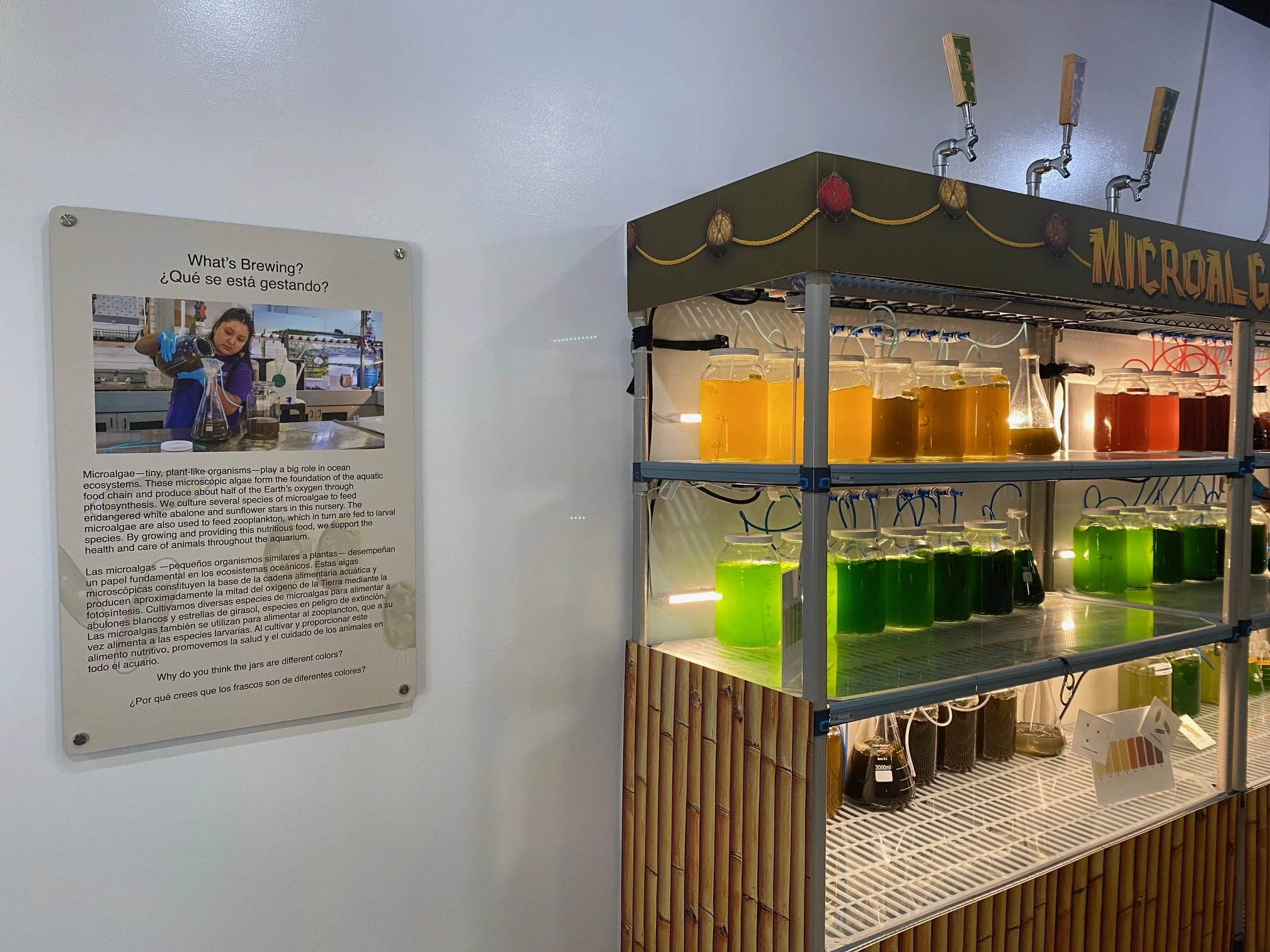
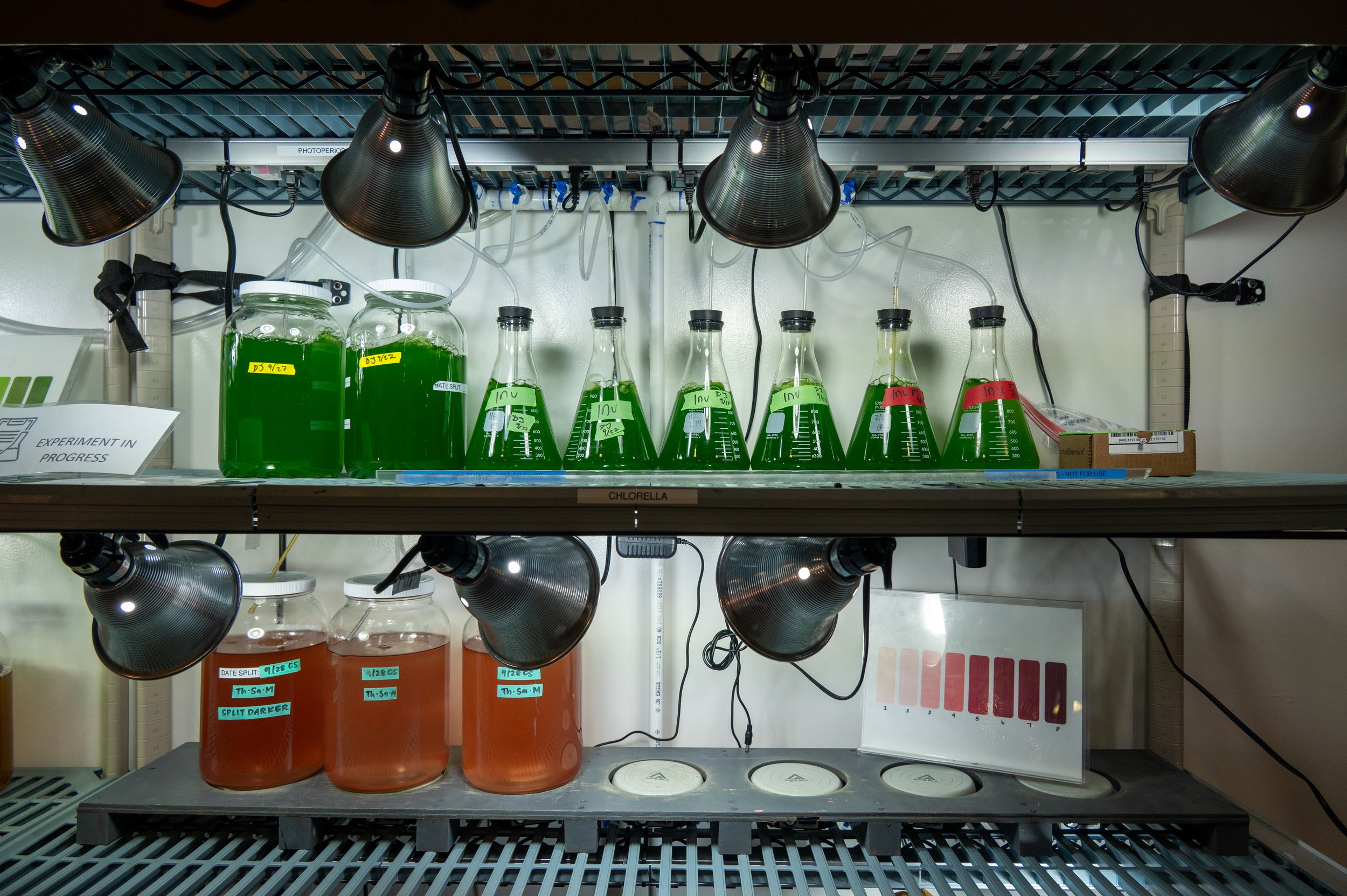
The Microalgae Brew exhibit highlights the sustainable cultivation of a wide variety of microalgae species. These microscopic algae play a crucial role in supporting aquarium life, providing essential nutrition for filter feeders, larval fish, and invertebrates, including the endangered white abalone. Beyond the exhibit itself, the microalgae rack also supports hands-on research through the Young Scientists Program, encouraging curious learners to explore the ecological importance of these remarkable organisms.







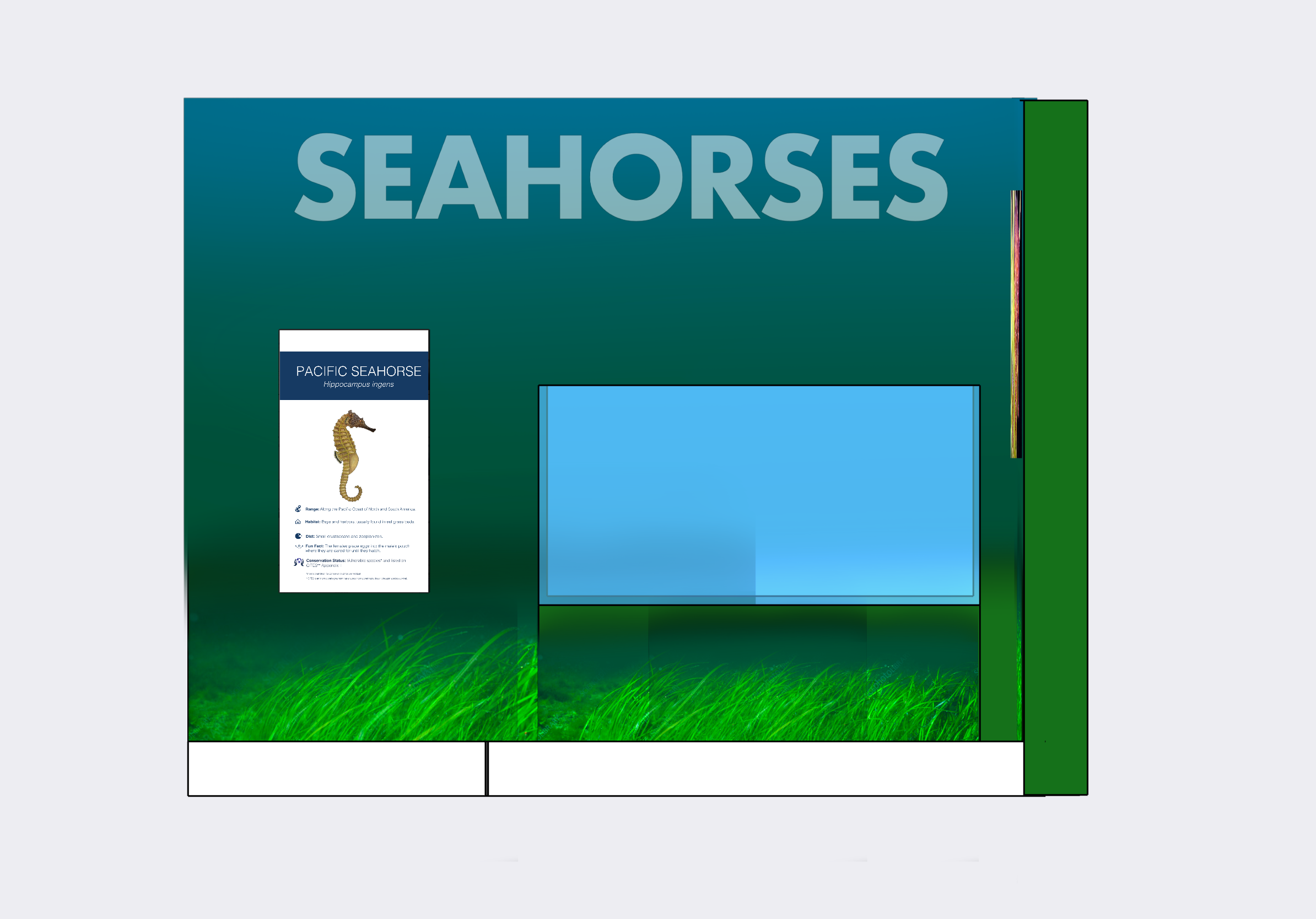
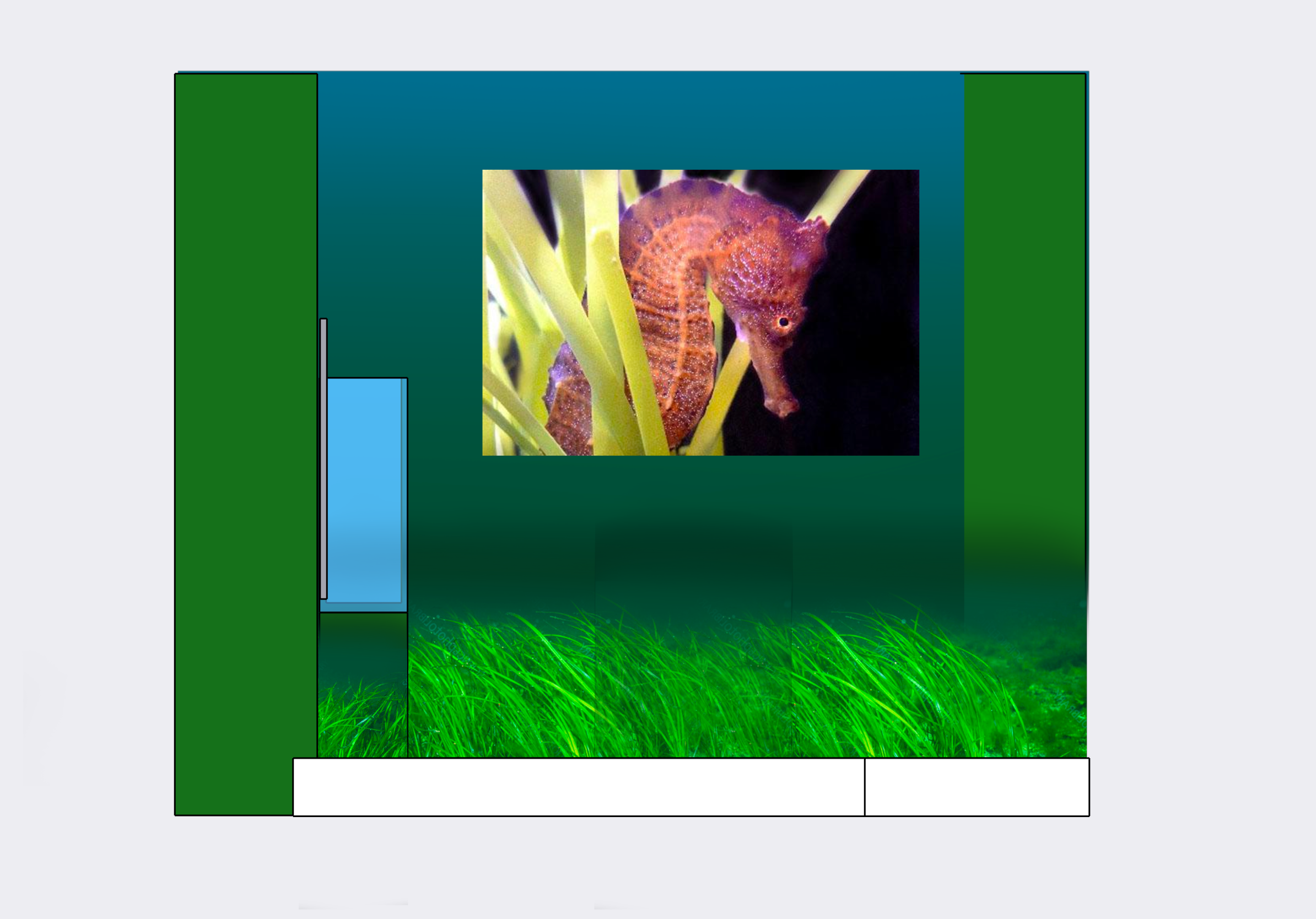
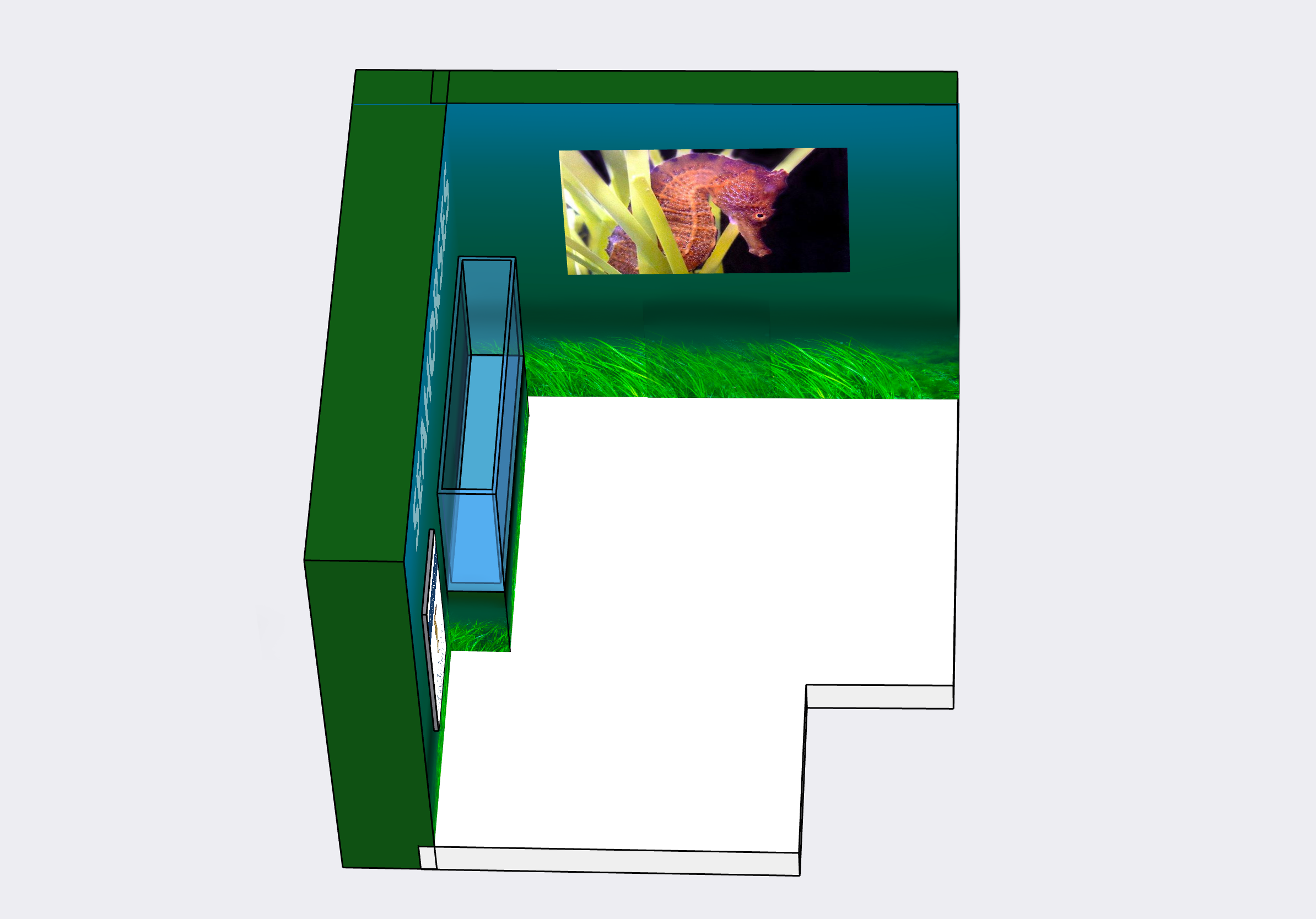
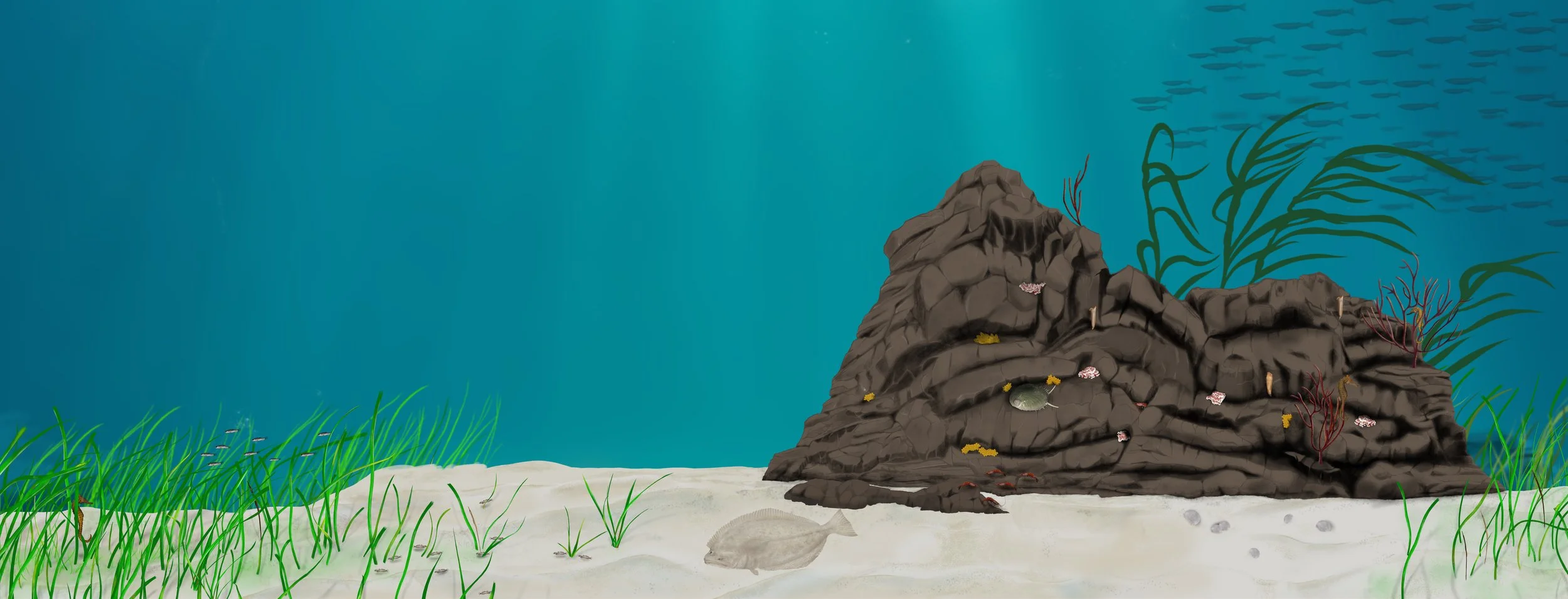
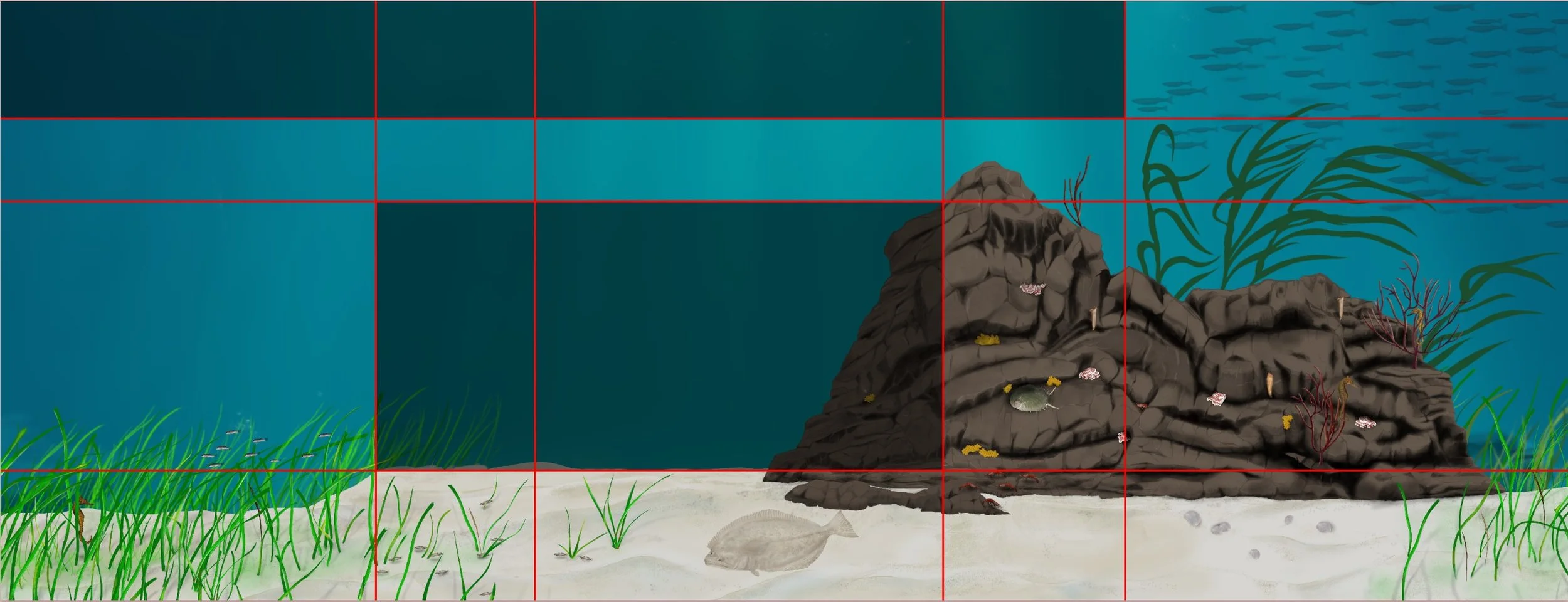
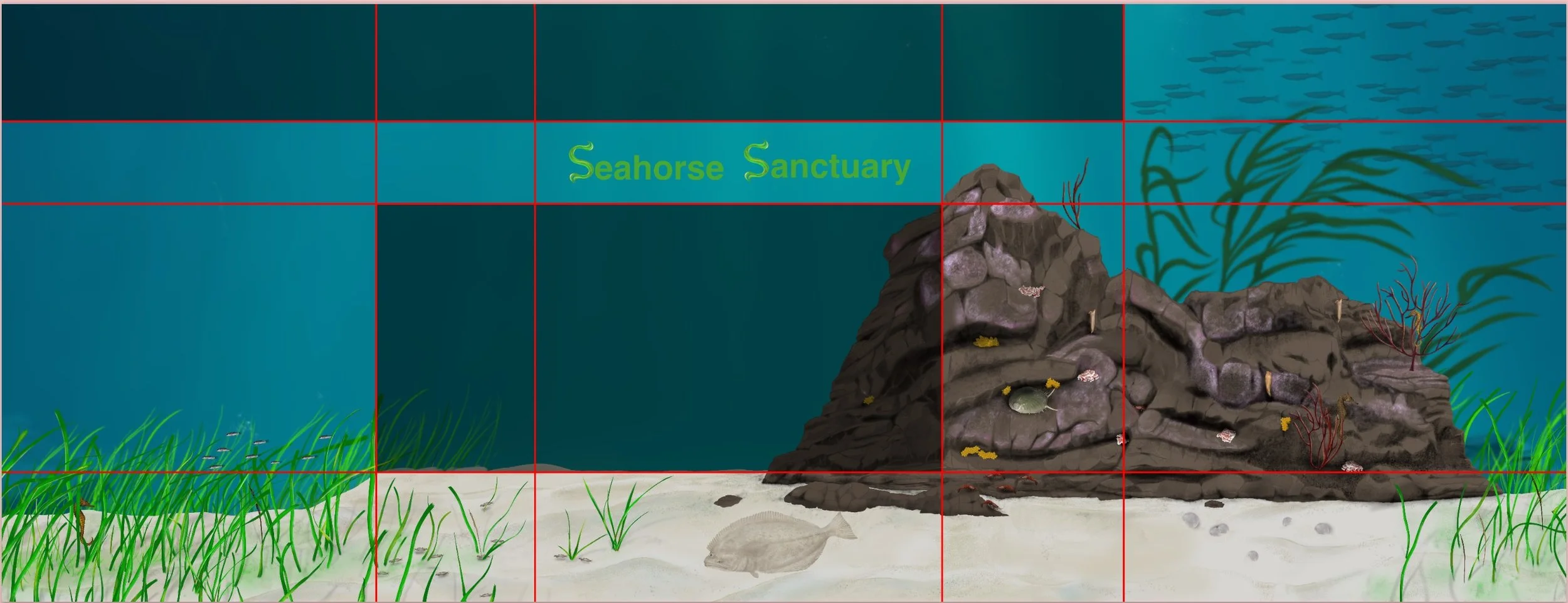
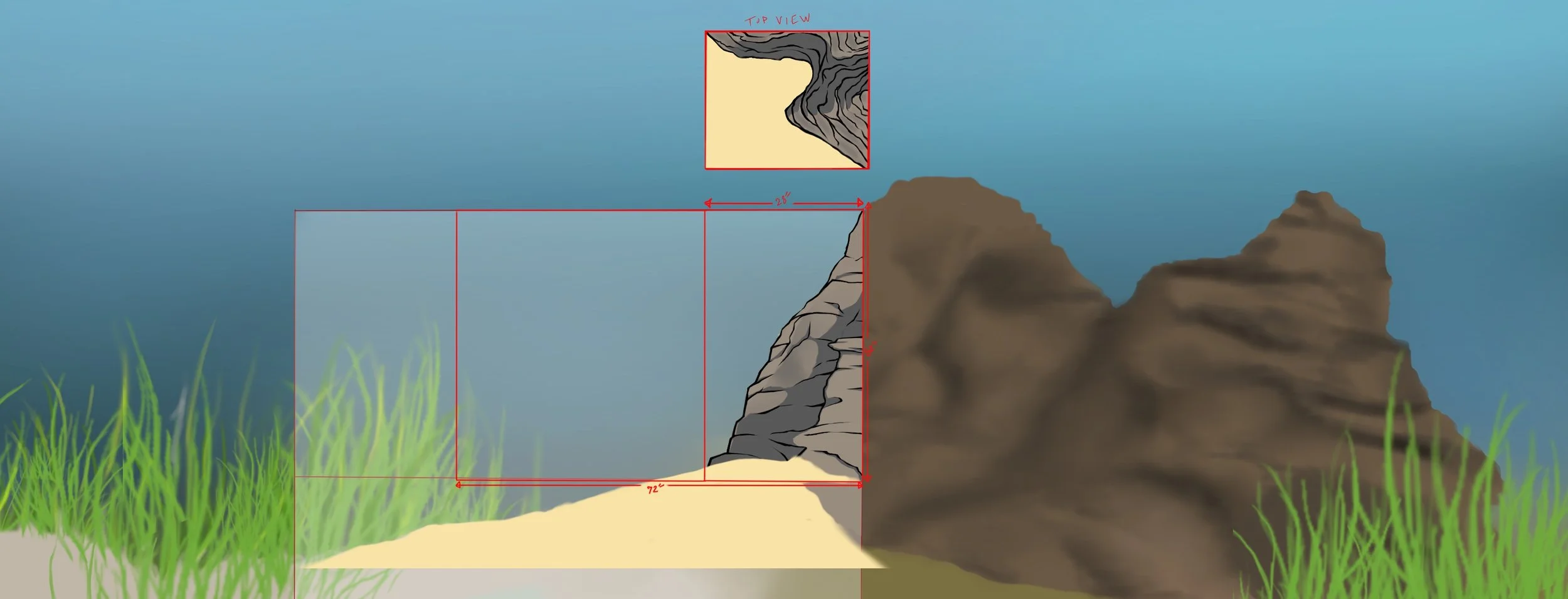
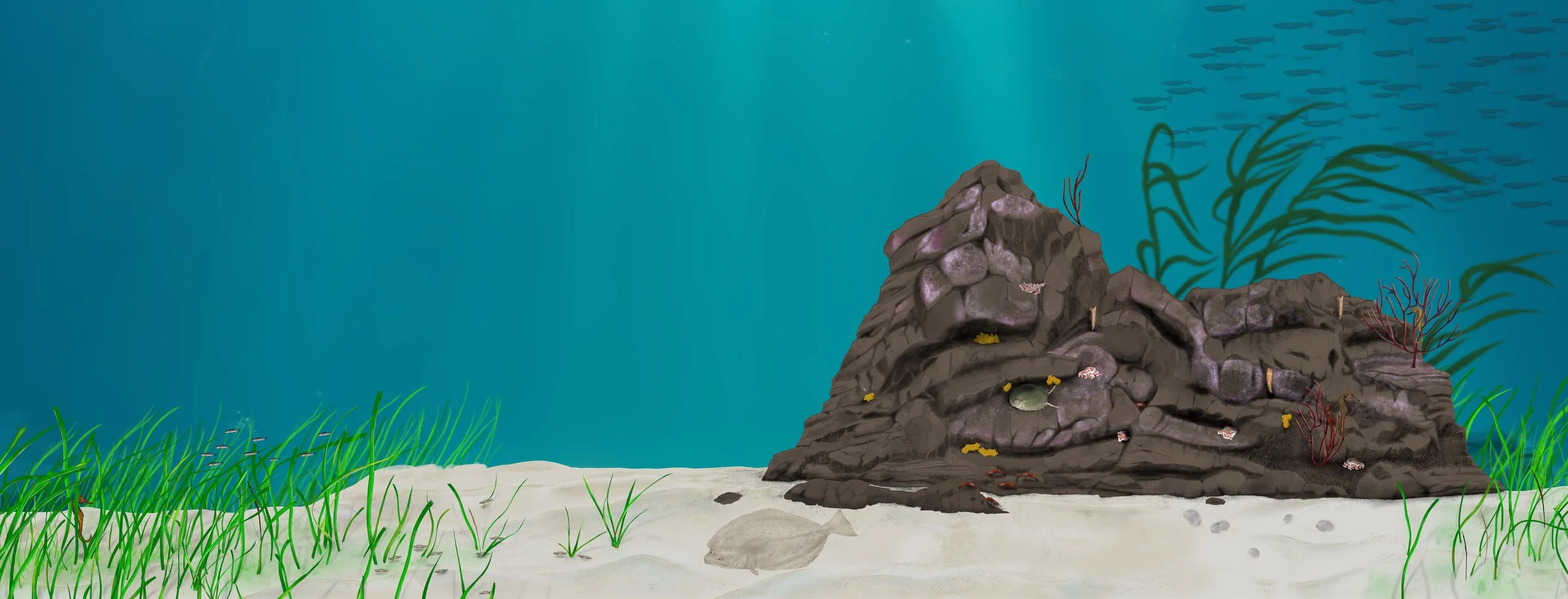
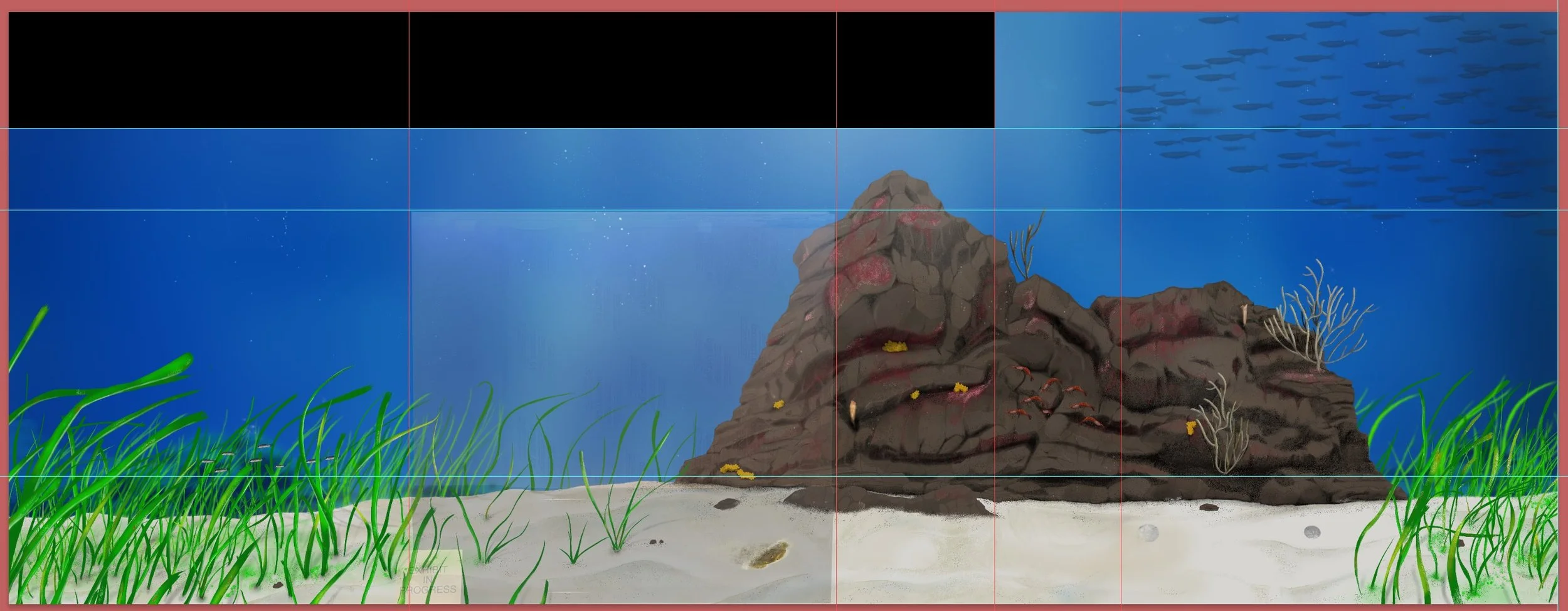
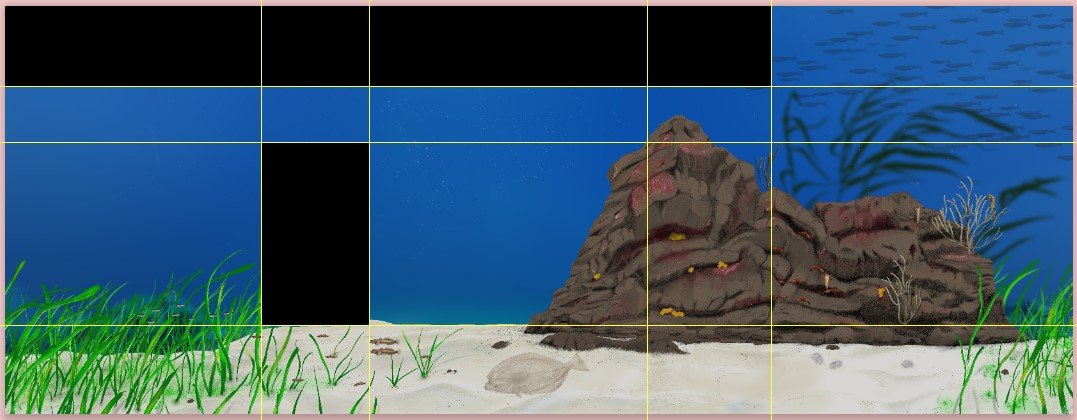
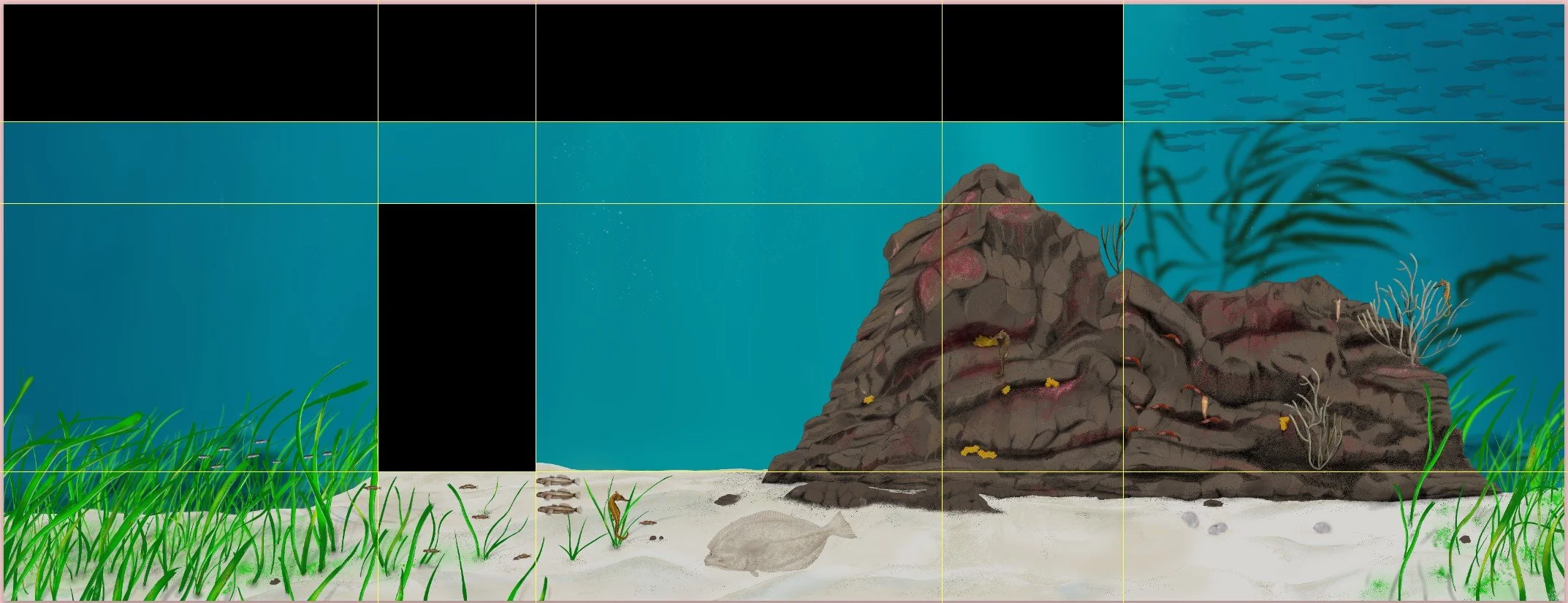
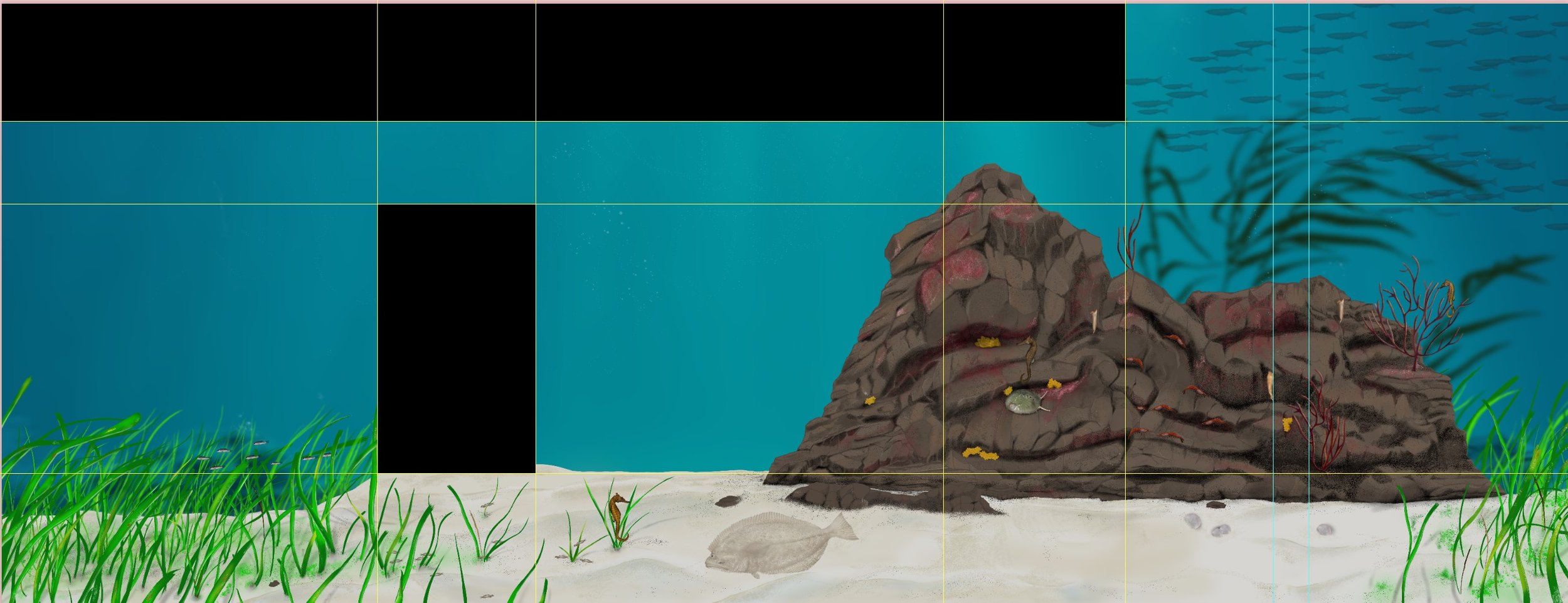
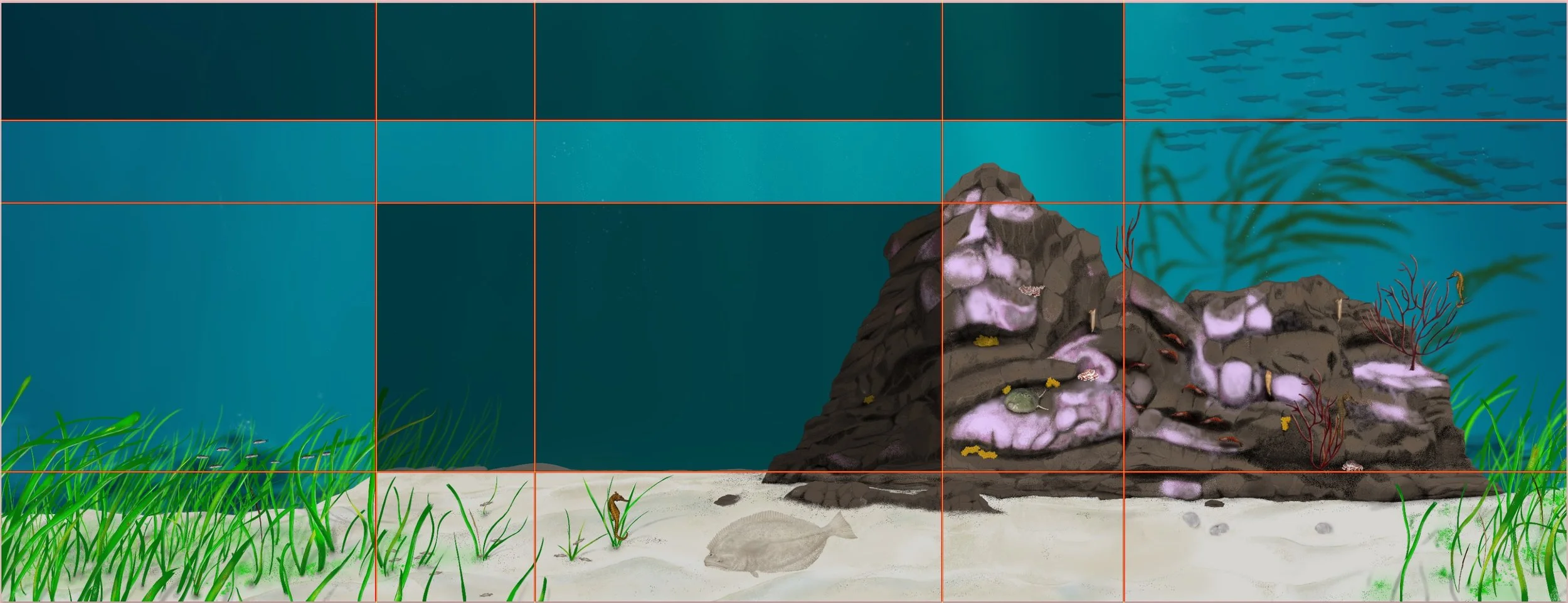
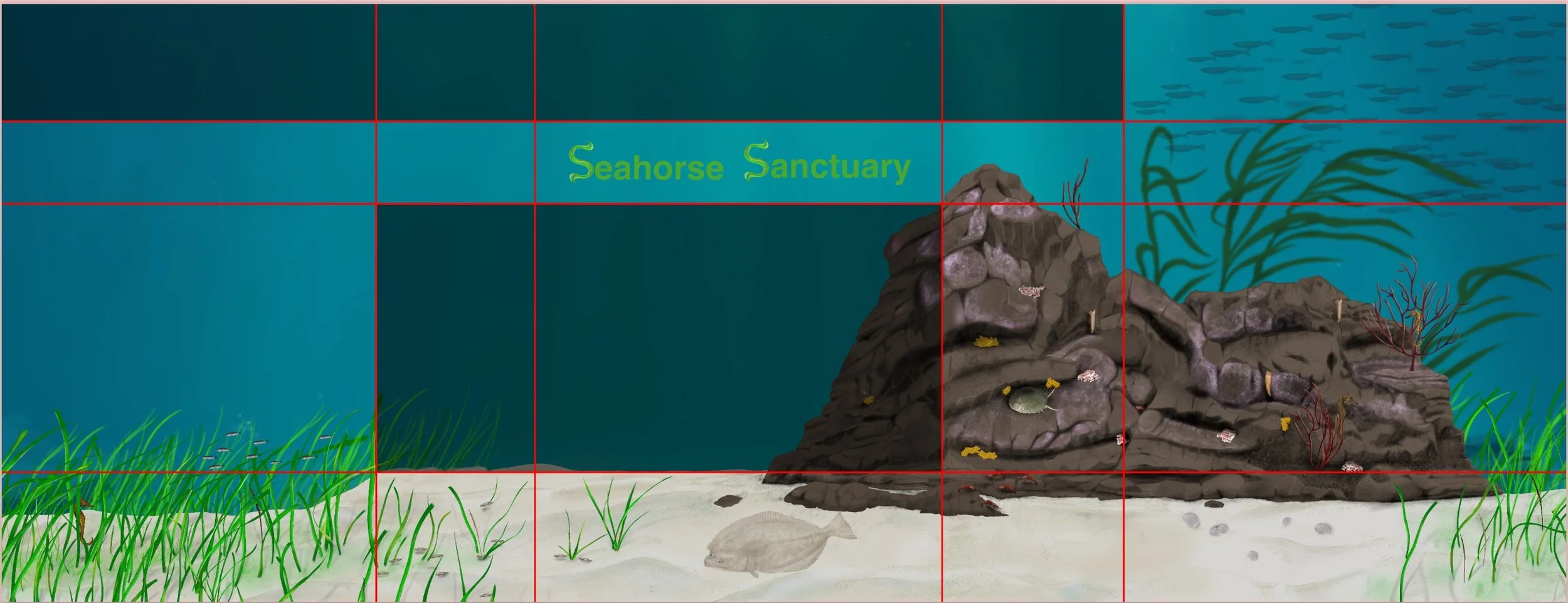
The Pacific seahorse is a marine bony fish found in seagrass beds and on rocky reefs. It uses its prehensile tail to anchor itself to seagrasses, seaweeds, and gorgonians, usually in waters shallower than 20 meters (65 feet). This species ranges from San Diego, California, to Peru and is the only seahorse species native to the Pacific coasts of both North and South America. Although uncommon along the southern California coast, Pacific seahorses have been observed as far north as San Francisco during periods of warmer ocean temperatures. Their bodies may be gold, maroon, brown, white, or a mix of these colors. Growing up to 30 cm (12 inches) long, the Pacific seahorse is the second-largest seahorse species in the world.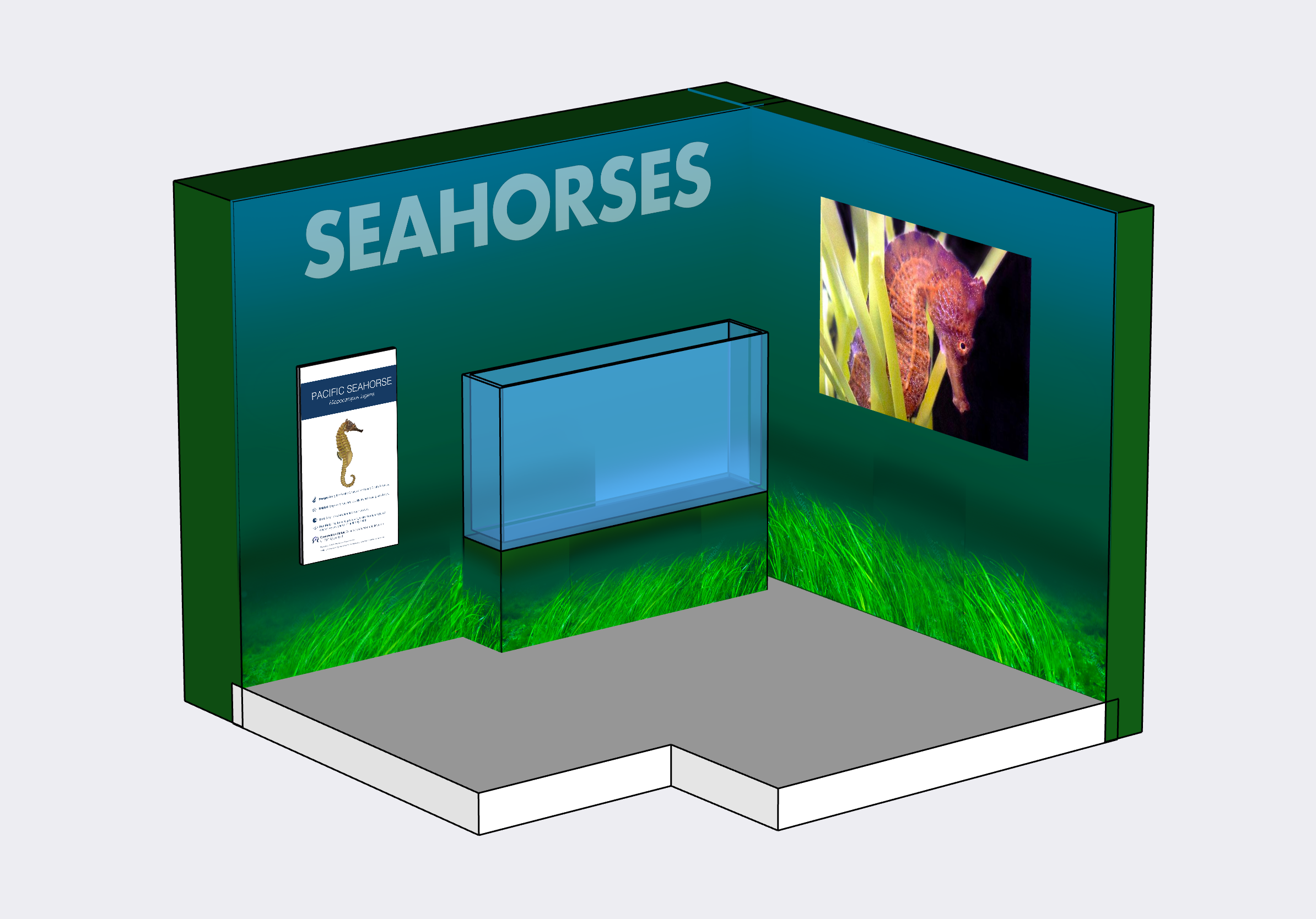







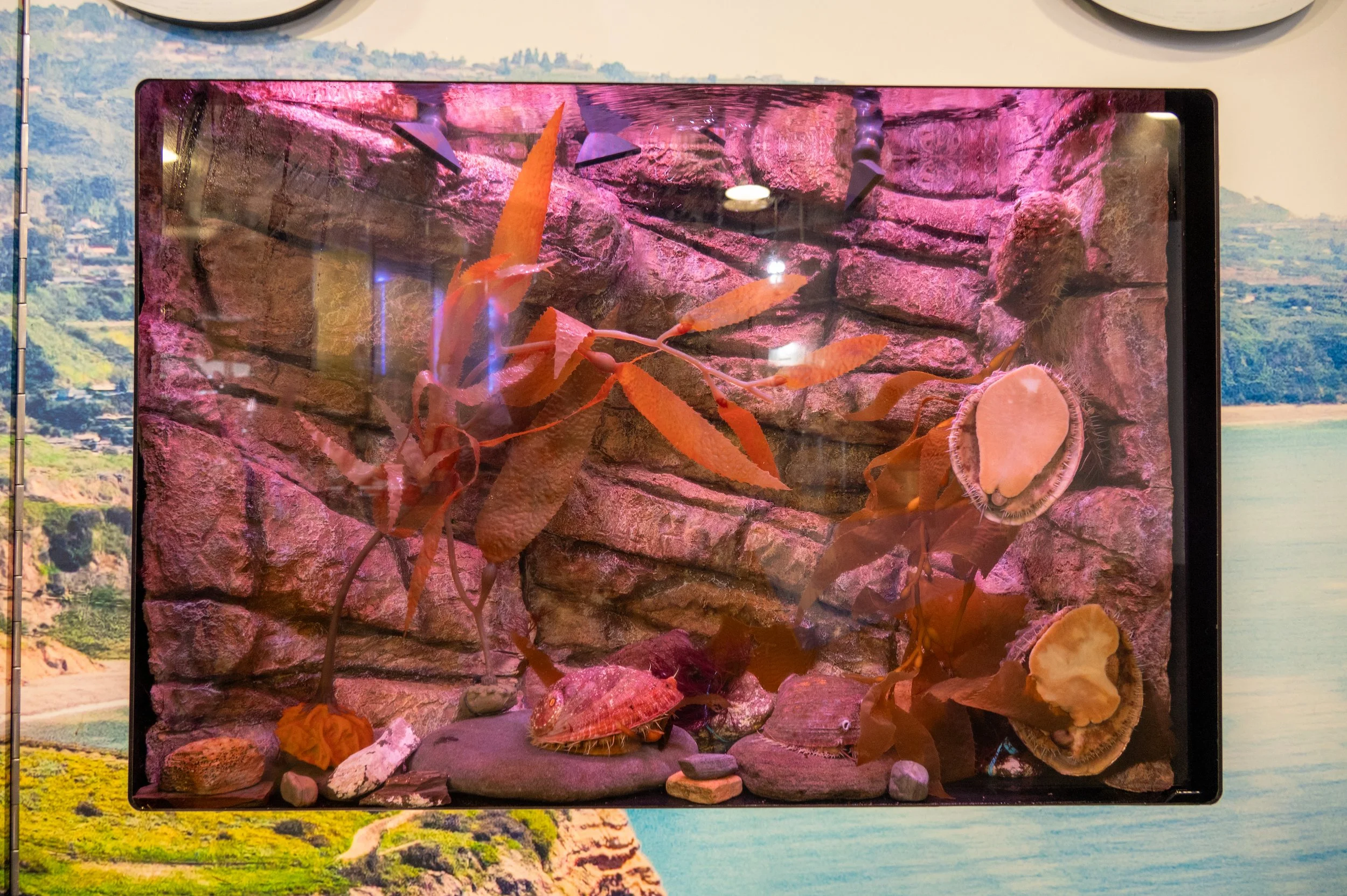
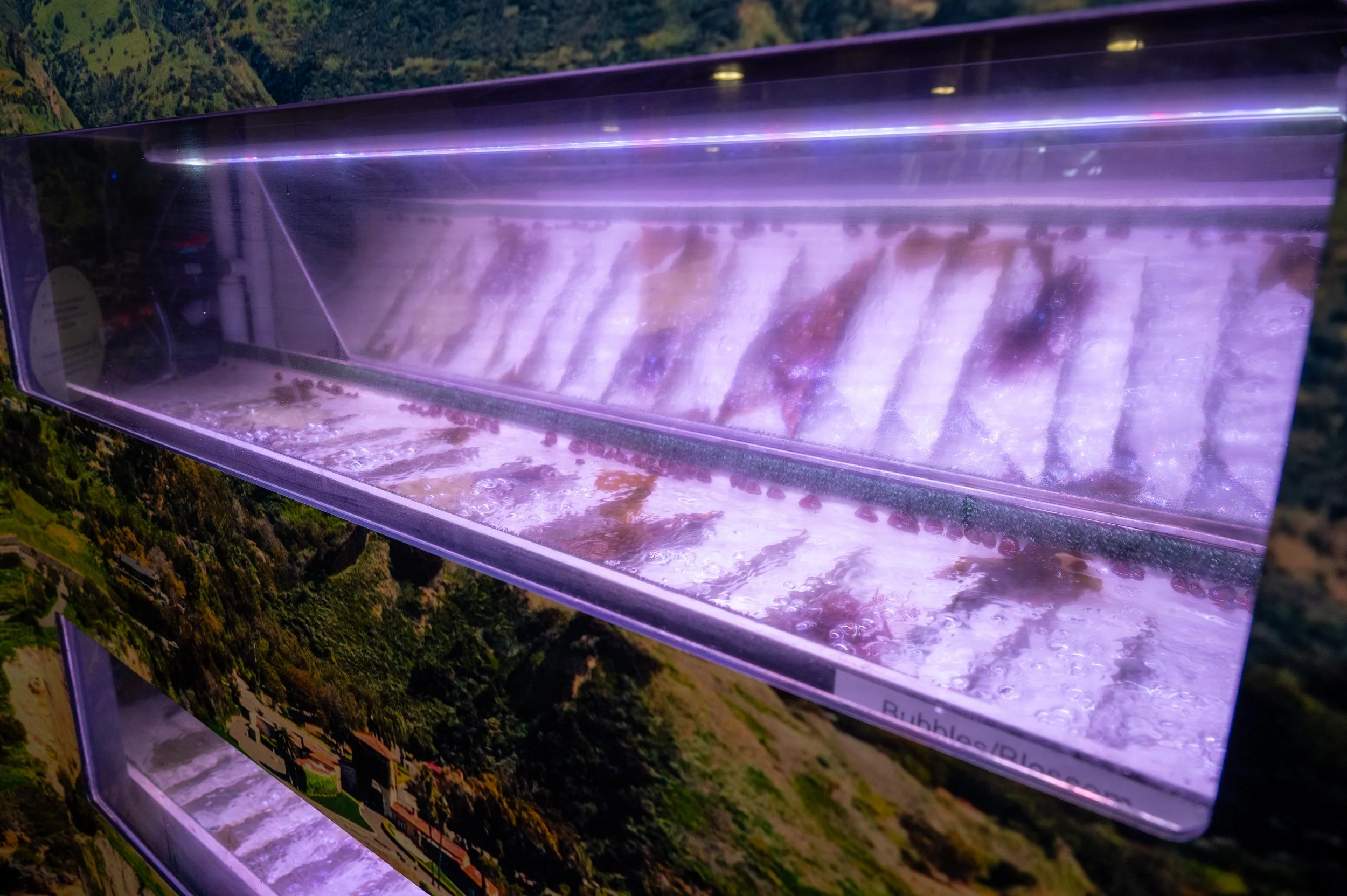
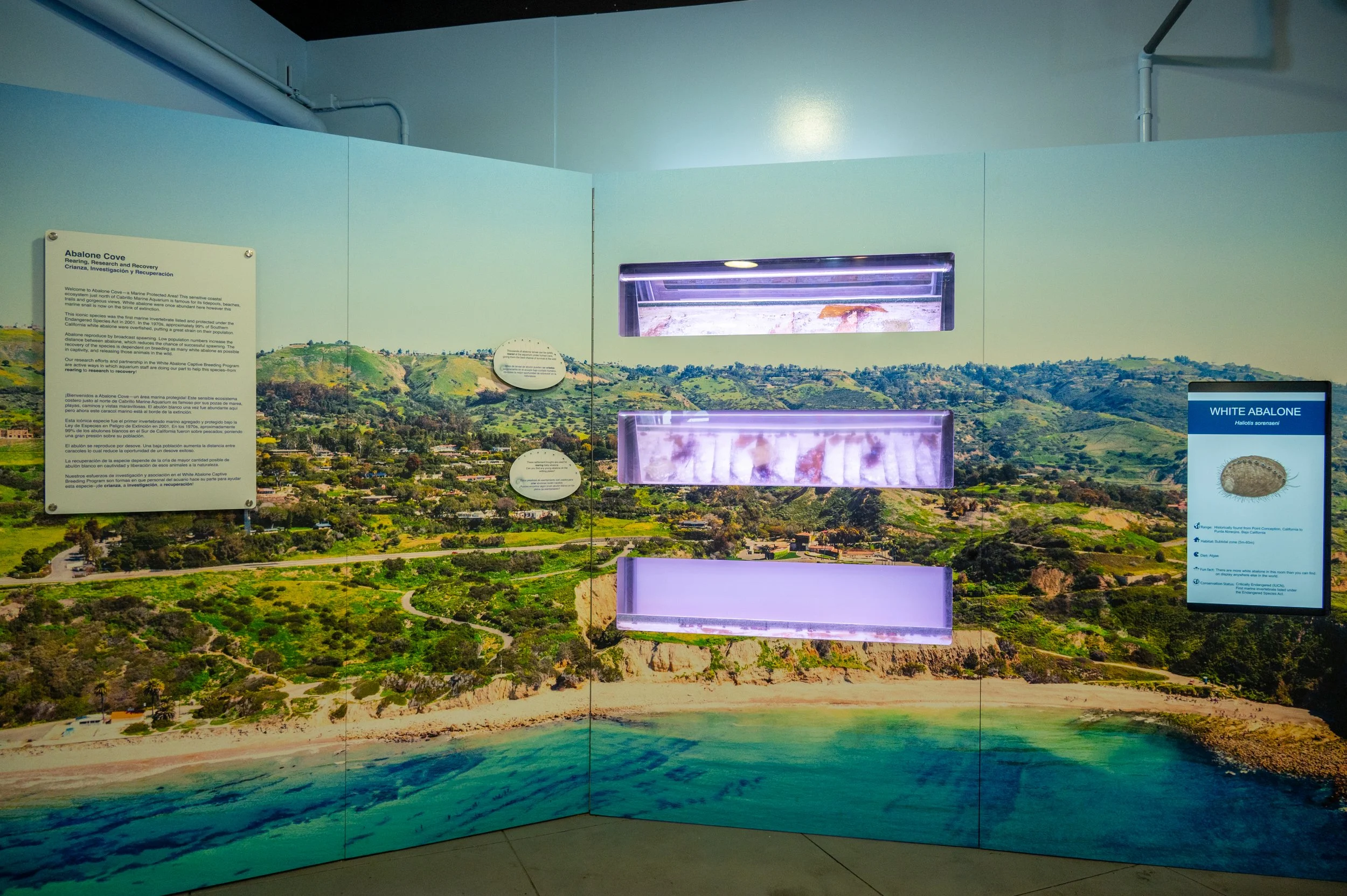
Abalone belong to the family Haliotidae, with the genus name Haliotis meaning “sea ear,” a reference to the shell’s flattened, spiral form. The common name “abalone” is believed to come from the Spanish-American words aulon or aulone. An abalone’s shell serves as protection for its soft body and features a line of small respiratory openings along the spiral. These pores allow water to flow over the gills, providing oxygen and removing waste.
In recent years, abalone populations have declined significantly, and the white abalone is now classified as an endangered species.